Why do two Williamsburg condos that look alike on paper trade tens or even hundreds of thousands apart? If you have scrolled through listings and felt confused, you are not alone. Pricing in Williamsburg blends real lifestyle value with hard valuation math, and small details can move numbers in a big way. In this guide, you will learn the exact factors buyers pay for, how sellers build asking prices, and where current examples set the top of the range. Let’s dive in.
The current price picture
Closed-sale data places Williamsburg’s median sale price in the low seven figures. Redfin’s closed-sale snapshot reported about $1.392M in January 2026, with a median price per square foot near $1,300 in recent months. Other vendors publish different figures because they use varied time windows and mix different property types. What matters is understanding whether a number reflects closed sales or active listings and which homes are included.
You will also see higher averages during periods when large sponsor closings hit the tape. New development towers along the waterfront have been pushing average price per square foot higher across North Brooklyn. Broker reporting notes new development medians above resales in 2024 and 2025, a pattern that continued into late 2025. For context on the new development influence, review the Brooklyn market writeup that highlights sponsor strength in that period from Corcoran’s research team. You can see that backdrop in the Brooklyn market report overview from Corcoran’s team, which summarizes new development momentum across the borough in 3Q 2025. Corcoran’s 3Q 2025 market report covers the pattern at a borough level.
New development vs resale
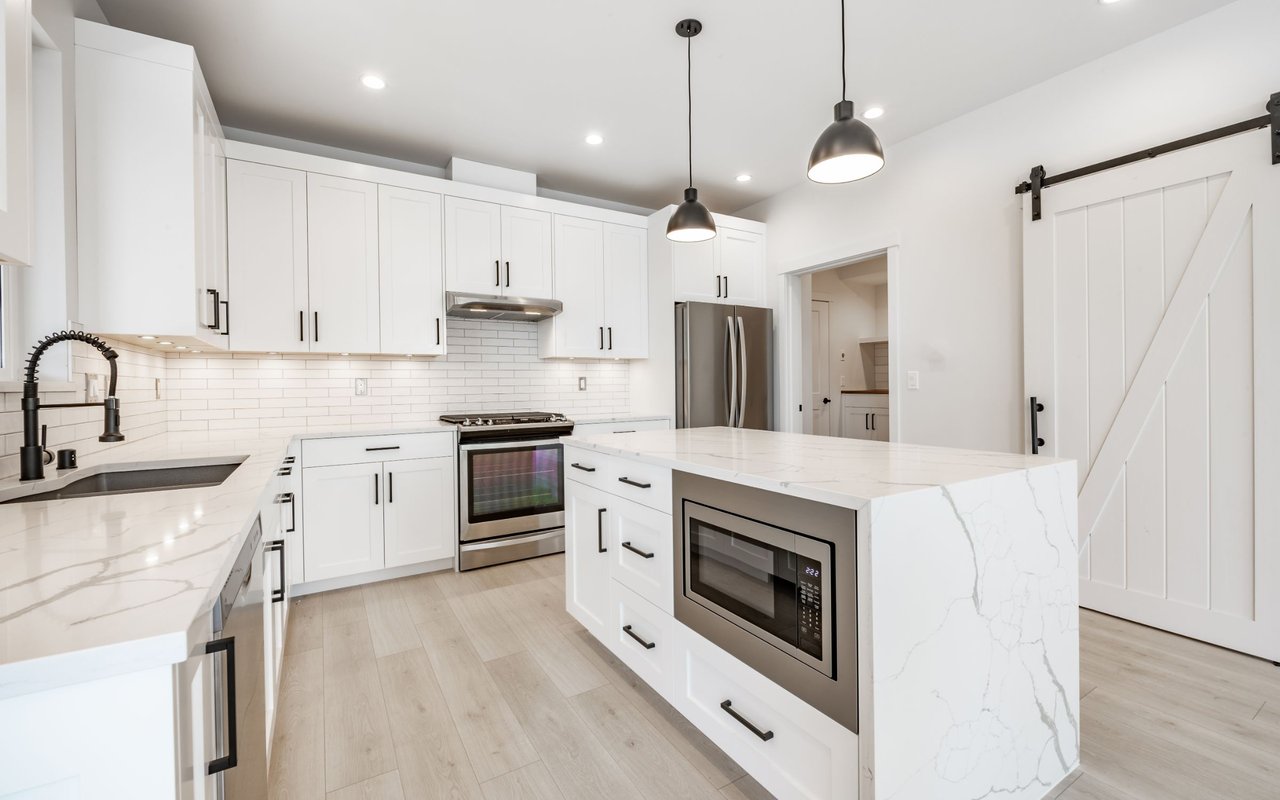
New development condos usually arrive with contemporary finishes, central HVAC, high-performance windows, in-unit laundry, and full amenity packages. They also carry a sponsor marketing premium. Classic loft conversions and older walk-up or elevator condos trade more on floor plan, light, and character than on hotel-style amenities. That product difference drives a large share of Williamsburg’s price spread.
Trade press and brokerage reporting confirm that new development has been selling at a premium to resales in North Brooklyn. On the waterfront, high-profile sponsor projects such as One Domino Square achieved rapid absorption and headline price-per-square-foot results. Coverage of One Domino Square documents contract velocity and notable sponsor closings. CityRealty’s building profiles also show how these towers pair lifestyle amenities with prime views, positioning them at the top of the neighborhood range. You can preview that positioning and amenity context in CityRealty’s inside look at One Domino Square.
What this means for your budget
- If you want full-service living with a gym, pool, and concierge, expect a higher price per square foot and higher monthly carrying costs.
- If you value space and character over amenities, resales off the waterfront often trade at a relative discount to the newest towers.
- If you are selling a non-sponsor unit, use new development closings as an upper bound, not as direct comps for your pricing.
Amenities and carrying costs
Amenities create real daily value. Doorman service, attended lobbies, gyms, pools, and roof decks improve convenience and lifestyle. They also raise monthly common charges and, in some cases, property taxes. Buyers compare both the all-in monthly cost and the purchase price when deciding between buildings.
A quick way to compare is to translate monthly building costs into an annual number and weigh that against a purchase premium. For example, a $400 difference in monthly common charges is $4,800 per year. If the amenity package saves you a gym membership for two and provides year-round indoor pool access, that tradeoff may be worth it. If you rarely use building facilities, you may prefer a lower-fee building and put the savings toward your mortgage.
Here is a simple checklist for your analysis:
- List monthly common charges and taxes for each option.
- Multiply by 12 to see the annual effect.
- Compare that annual figure to any price premium you would pay to get those features.
- Look at building financials and reserves before you commit, especially if you are buying in a smaller condo.
Views, waterfront, and floor level
Views and the waterfront matter a lot. River and skyline panoramas are scarce, instantly visible, and part of your daily experience. Higher floors also bring more light, better sightlines, and less street noise. Waterfront towers along Kent Avenue pair those views with parks and esplanades, which pulls demand and supports higher prices.
Recent sponsor deals on the waterfront have set high-water marks for the neighborhood’s price per square foot. Coverage of One Domino Square notes record-level closings and strong momentum. The broader wave of North Brooklyn waterfront development, including Williamsburg Wharf, has kept that segment in the spotlight. Trade reporting on Williamsburg Wharf explains how this master-planned product positions itself at the top of the market.
How to use this insight
- If you want protected skyline views, expect to pay a premium over similar-sized inland resales.
- If you can live without the view, you can often find better value a few blocks from the water or on lower floors with good light.
The outdoor space premium
Private outdoor space is a prized feature in dense neighborhoods. Appraisers and market analysts in New York commonly value exterior area at a fraction of interior square foot pricing. A widely cited rule of thumb prices terraces and roof decks at 25 to 50 percent of the interior price per square foot, with larger, usable spaces on the higher end and tiny balconies on the lower end. You can read a practical explanation of that approach in BrickUnderground’s outdoor space guide.
Two quick examples make this clear:
- If interior trades around $1,300 per square foot and you have a 120 square foot balcony, that exterior area might contribute roughly $39,000 to $78,000 to value using the 25 to 50 percent range.
- If you have a larger, usable 300 square foot terrace with light and views at the same interior pricing, the contribution could be about $97,500 to $195,000.
Actual sale prices follow real comparable sales, but this math helps you frame the conversation.
Transit access and walkability
Shorter commutes and more options raise demand. In Williamsburg, buyers focus on the Bedford Avenue L corridor, access to the J, M, and Z lines near Marcy Avenue, the G line to the east, and the North and South Williamsburg NYC Ferry landings. Waterfront towers can offer a quick walk to the ferry and parks, while central corridors trade on vibrant retail and shorter walks to the L. CityRealty’s coverage of waterfront projects highlights why Kent Avenue buildings often achieve higher pricing than mid-block resales farther inland. You can see that waterfront-lifestyle positioning in CityRealty’s One Domino preview.
Micro-markets at a glance
North waterfront: Kent and Domino
This area concentrates the newest and most amenity-rich towers. Projects such as One Domino Square, Williamsburg Wharf, Northside Piers, The Edge, and One South First define the high end of the neighborhood’s range. They pair high-floor views with parks and full-service packages that command top price per square foot.
Bedford Avenue and McCarren Park
Central Williamsburg offers a mix of converted lofts, boutique mid-rises, and townhomes. Pricing here typically sits below the waterfront towers, but you get strong street life and quick access to neighborhood retail. If you do not need a pool or a ferry commute, this corridor can be a smart value play.
South Williamsburg and Domino Park
South Williamsburg has been trending higher as the Domino waterfront expands. Expect a blend of rental and condo towers with serious amenities. As more sponsor product delivers here, you will see asking prices reference those waterfront comps while resales fill in at a wider range.
Real comps to watch
- One Domino Square as a ceiling example. Momentum and high price-per-square-foot results frame the top of Williamsburg’s range. See the sponsor context in Mann Report’s coverage.
- Williamsburg Wharf for master-plan positioning. Trade press explains how large-scale amenities and branding drive pricing at the water’s edge. Read the North Brooklyn waterfront wave story.
- Established waterfront resales for comparison. Northside Piers, The Edge, One North 4th, and One South First have doorman service, gyms, and pools with resale histories that sit below the newest sponsor asks. CityRealty’s building looks provide amenity and context, as seen in its One Domino Square feature.
How sellers build an asking price
You can reverse-engineer most asking prices if you follow a clear process. Here is the framework seasoned agents use in Williamsburg:
Start with closed comps. Pull 3 to 6 closed sales from the last 6 to 12 months in the same building or closest product type. Confirm recorded deeds through New York City’s official records on ACRIS.
Adjust for unit specifics. Compare interior square footage, recent renovations, floor and line, and exposure or view. For terraces and roof decks, use the 25 to 50 percent of interior price-per-square-foot rule of thumb to size an adjustment, then test it against real comps.
Add or subtract for building features. Doorman presence, pool access, on-site parking, and pet policies can shift demand. Review building financials and reserves to gauge risk and any potential assessments before finalizing a number.
Translate amenities into monthly math. Convert common charges and taxes into an annual figure. Buyers think in monthly cost, so a higher carrying cost can justify or soften a purchase-price premium depending on lifestyle fit.
Read the market mood. Track days on market, contract activity, and list-to-sale ratios in the immediate sub-area. In faster periods, you can price toward the top of your range and expect offers. In slower stretches, start tighter to the comps to build momentum.
Buyer moves that find value
- Compare total monthly costs between buildings, not just asking prices.
- Focus on line and exposure within each building. A better outlook or higher floor can justify a higher price for daily comfort.
- Use outdoor space math to evaluate whether a terrace premium fits your lifestyle and budget.
- Study the micro-market. Waterfront towers may be worth it if you will use the ferry and amenities often. If not, expand your search a few blocks inland.
If you want a clear, data-backed pricing strategy tailored to your condo or your search, connect with the DE Advisory Team. Our appraisal-informed approach, construction know-how, and hands-on execution help you price with confidence and move with clarity.
FAQs
Why do similar Williamsburg condos have different prices?
- Differences in floor, exposure or view, private outdoor space, and whether a unit sits in a new sponsor building versus an older resale can create large price gaps.
How much can a terrace add to a Williamsburg condo?
- Appraisers often value outdoor area at 25 to 50 percent of interior price per square foot; a 300 square foot terrace at $1,300 per interior square foot can add about $97,500 to $195,000.
Do amenity buildings justify higher asking prices?
- Many buyers will pay more for doorman service, gyms, pools, and roof decks, but higher common charges raise monthly cost; weigh lifestyle value against the fee impact.
Where can I verify closed sale prices in Brooklyn?
- Use New York City’s official property records on ACRIS to confirm recorded deeds and sale amounts.
Are waterfront sponsor sales good comps for resales?
- Treat them as upper-bound context; waterfront sponsor closings often set record price-per-square-foot, as seen in One Domino Square coverage, but they are not representative of most resales.