Two Red Hook townhouses can look similar online yet sell for very different prices. If you are trying to figure out where your home or a target purchase should land, you are not alone. The good news is that Red Hook pricing follows a clear set of physical and location-based drivers that you can measure. In this guide, you will learn the key factors that move value, how to benchmark a townhouse, and a simple checklist to price with confidence. Let’s dive in.
The big pricing levers in Red Hook
Footprint and width
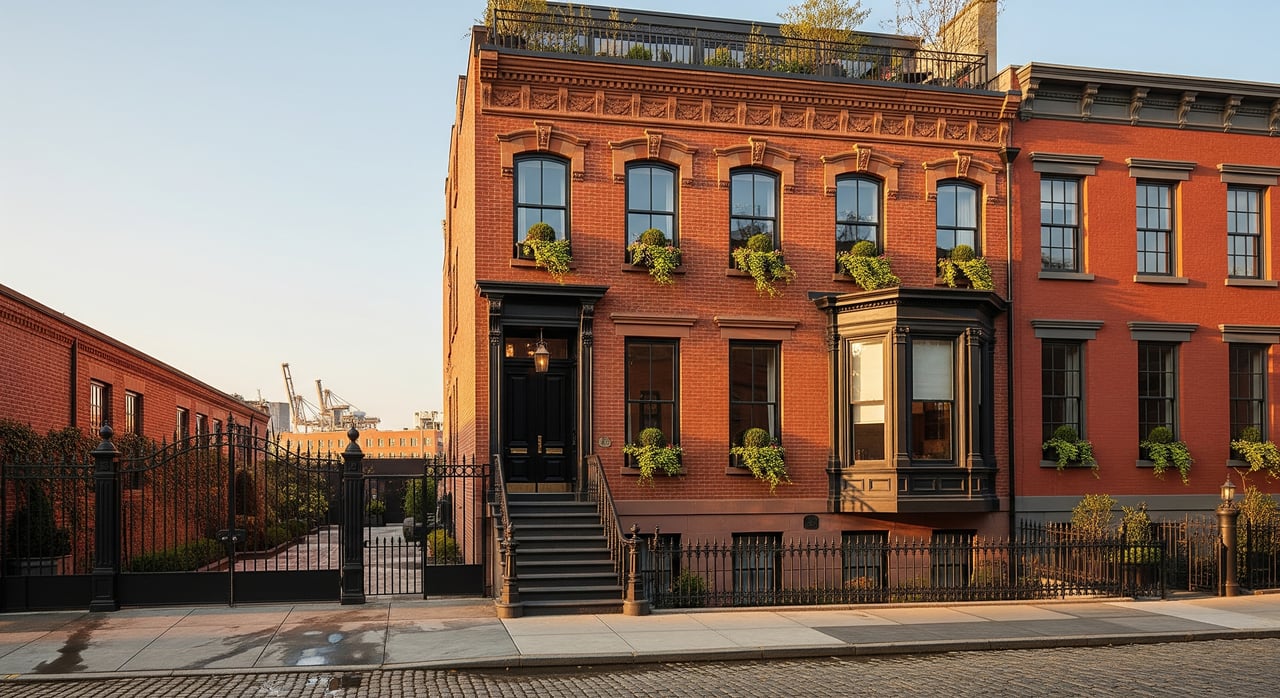
Townhouse width shapes everything from room sizes to light and layout options. Wider frontages and deeper lots in Red Hook usually command a premium because they allow larger rooms, multiple exposures, and easier expansion. Historic rowhouses often range from about 16 to 20 feet, while some converted or wider buildings can stretch 20 to 30 feet or more. Record the lot frontage, depth, total lot area, and interior gross square footage before you start comparing prices.
Condition and finish level
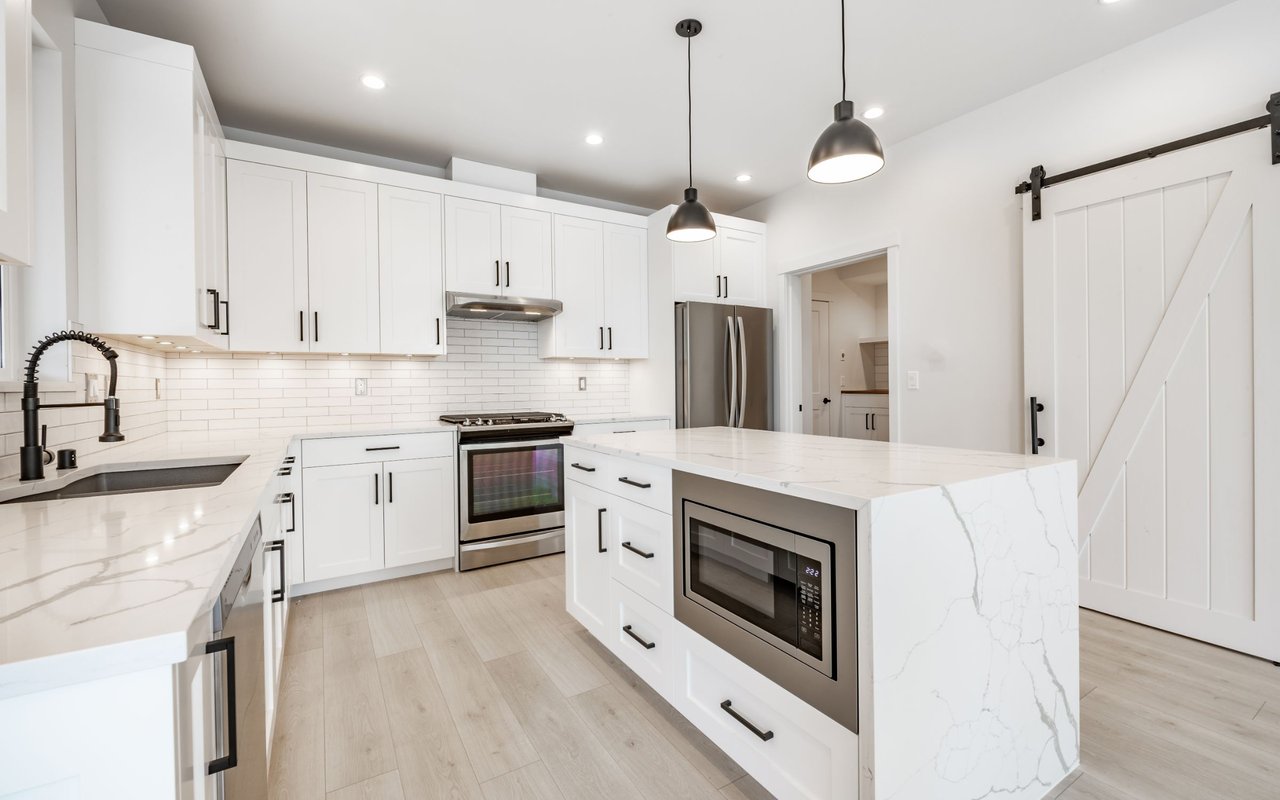
Buyers look at three layers of condition: cosmetic, systems, and structure. In Red Hook, many older masonry homes show deferred maintenance, while others have been fully renovated or converted to higher-end finishes. Expect a different buyer pool and financing results for as-is properties versus turnkey homes. Be specific about what is updated and what is not.
Systems and utilities
Heating, hot water, electrical capacity, plumbing, and roof age all affect value and inspections. Waterfront exposure and moisture history can add wear on mechanicals, so buyers often expect modern electrical service and reliable heating and cooling. If utilities are elevated or upgraded for resiliency, that can improve marketability. Document boiler and water heater age, electric service in amps, AC type, and any recent system permits.
Outdoor space
Private outdoor space can lift both demand and price. In Red Hook, a real backyard or a legal roof deck with water or skyline views is a marked advantage. Note yard size, orientation, privacy, and any deck or terrace that is legal and safe. Buyers respond to well-designed, usable outdoor areas.
Location and access
Proximity to neighborhood anchors matters. In Red Hook, limited direct subway access places more weight on the NYC Ferry stop, bus routes, and how close you are to the restaurant and retail corridor along Columbia and Van Brunt. Distance to parks and the waterfront also influences buyer decisions. Record walking times to these anchors and the nearest subway lines that serve nearby neighborhoods.
Zoning and legal status
Zoning and legal classification affect what you can do next. Permitted uses, allowed floor area, and unit count guide expansion and conversion potential. Some streets also fall within historic or special districts, which can add time and cost to renovations. Pull zoning, permitted floor area, and any landmark considerations before you price.
Flood risk and insurance
Parts of Red Hook sit in FEMA flood zones. Flood designation, base flood elevation, and insurance needs can shape buyer pools and ongoing carrying costs. Buyers often want to see utility elevation strategies and estimated premiums. Confirm your flood zone early and factor mitigation or insurance into your pricing plan.
Parking and access
Off-street parking is scarce in Brooklyn and can be valuable. A private driveway or garage can push pricing higher for some buyers. Street parking convenience also comes up during showings. Note any parking features and how access works.
Neighborhood character and buyer perceptions
Red Hook blends historic rowhouses, artisan workshops, and waterfront industry. This mix attracts different buyer groups, from those seeking larger footprints to buyers who like a distinct neighborhood feel. Industrial adjacency and truck routes may affect privacy and noise on certain blocks. Set expectations by highlighting both lifestyle amenities and practical considerations.
How to benchmark a townhouse’s value
Step 1: Build a local comp baseline
Pull 6 to 12 closed townhouse sales in Red Hook from the past 6 to 12 months that match your building type. Compute price per gross square foot and price per front foot to see how the market valued size and width. Use the median or a trimmed average to reduce outliers. This becomes your initial value anchor.
Step 2: Segment by structure
Group your comps by width bands and lot depth. Separate narrow from wider homes and note yard size. Visible differences in width and outdoor space often produce clear price gaps. Keep like-for-like comparisons tight.
Step 3: Adjust for condition and systems
Translate condition into adjustments. Consider the costs to upgrade kitchens, baths, electric service, HVAC, and roofing. Add a premium for a legal roof deck or a private yard. If the property sits in a flood zone that requires mitigation or has higher insurance, reflect that as a discount or a cost-to-cure.
Step 4: Build three value bands
- As-is value: Anchor to comps with similar width and condition, then subtract realistic cost-to-cure for big-ticket issues.
- Typical renovated value: Use renovated Red Hook comps that reflect current finishes and modern systems.
- Turnkey value: Use high-end, wider-frontage, or loft-style comps that show premium finishes and revised layouts.
Step 5: Account for frictions
Price is not the only number that matters. Consider likely days on market, financing contingencies for unusual structures, and flood insurance expenses. Buyers will price these frictions into their offers. Adjust your net expectations accordingly.
Red Hook realities to factor in
- Limited direct subway access means ferry access and walk times to nearby lines carry extra weight.
- Flood zone history and resiliency measures can change buyer pools and insurance costs.
- Industrial adjacency on some blocks introduces privacy and noise considerations during showings and negotiations.
- Historic or landmark rules can add time and cost to renovations.
- Wider frontages are limited in supply and often draw a different buyer set.
Seller tips to lift resale
- Verify zoning, unit count, and landmark status so buyers see a clear path for their plans.
- Get quick contractor quotes for cosmetic refreshes and key system upgrades. Small updates often yield strong returns.
- Document mechanical ages, roof status, and any flood mitigation. Clear records reduce buyer uncertainty.
- Prepare the outdoor space. A tidy yard or finished roof deck can be a value lever.
- Time your listing with a staging and pricing plan that fits current comps and expected days on market.
Buyer due diligence in Red Hook
- Order a structural and foundation review, plus a moisture and waterproofing check.
- Test mechanicals: electrical service capacity, heating type and age, hot water setup, AC, and roof age.
- Confirm flood zone, base flood elevation, and get a flood insurance quote in writing.
- Review DOB filings for permits and violations, and confirm legal unit count and certificate of occupancy.
- Map walk times to the ferry, bus routes, nearby subway lines, parks, and retail corridors.
Quick valuation checklist
- Property basics: address, lot frontage and depth, lot area, building footprint, gross interior square footage, floors, ceiling heights.
- Legal: zoning designation, allowed floor area, landmark status, legal unit count, open permits or violations.
- Condition: last full renovation year, cosmetic state, structural or moisture notes, roof condition.
- Systems: electric service in amps, heating type and age, hot water system, AC presence, plumbing material.
- Outdoors: yard size and orientation, any legal roof deck or terrace, parking or garage.
- Risks: FEMA flood zone and base flood elevation, adjacent uses, truck routes, easements.
- Market comps: 6 to 12 closed sales with width and condition segmentation; compute price per square foot and price per front foot.
- Cost ranges: quotes for cosmetic, partial, and full gut scopes, plus any flood mitigation.
- Carrying: taxes, insurance including flood, utilities, and expected days on market.
- Price bands: as-is, typical renovated, and turnkey, plus estimated net after selling costs.
Ready to price your townhouse or pressure-test a target purchase? Get a data-backed valuation, a renovation ROI plan, and a go-to-market timeline from the DE Advisory Team.
FAQs
How much does townhouse width affect value in Red Hook?
- Width often functions as a primary structural differentiator because it drives room sizes and layouts. Segment recent Red Hook sales by width bands and compare price per front foot to quantify the impact.
How do flood zones influence pricing and financing for Red Hook townhouses?
- Flood designation can narrow the buyer pool and increase insurance costs. Confirm zone and base flood elevation early, estimate premiums, and factor mitigation into pricing or your offer.
What role does ferry and subway proximity play in Red Hook values?
- Limited direct subway service pushes more weight onto ferry access, bus routes, and walk times. Record distances to these anchors and use them when comparing to nearby sales.
Should I renovate before selling a Red Hook townhouse?
- Target quick wins first. Cosmetic refreshes and visible system documentation usually deliver better returns than partial high-end upgrades. Use local comps to decide if a larger renovation will be recaptured.
Which inspections should Red Hook townhouse buyers prioritize?
- Prioritize structure and foundation, moisture and waterproofing, full mechanical and electrical review, roof, and flood exposure. Verify legal unit count, permits, and any open violations.
How do outdoor spaces like roof decks compare to interior square footage in value?
- Legal roof decks and private yards often carry a meaningful premium because they increase usability and lifestyle appeal. Compare comps with and without outdoor space to observe the market uplift.