Thinking about buying in Brooklyn Heights but torn between a townhouse, a co-op, or a condo? You are not alone. Each option offers a different mix of control, costs, and convenience, and the choice has real impact on your budget, renovation plans, and day-to-day life.
This guide breaks down how each ownership type works in Brooklyn Heights, what it really costs to buy and own, how renovations and rental rules differ, and which option tends to fit different buyer goals. You will also get a practical due diligence checklist to use on your next tour. Let’s dive in.
Brooklyn Heights housing at a glance
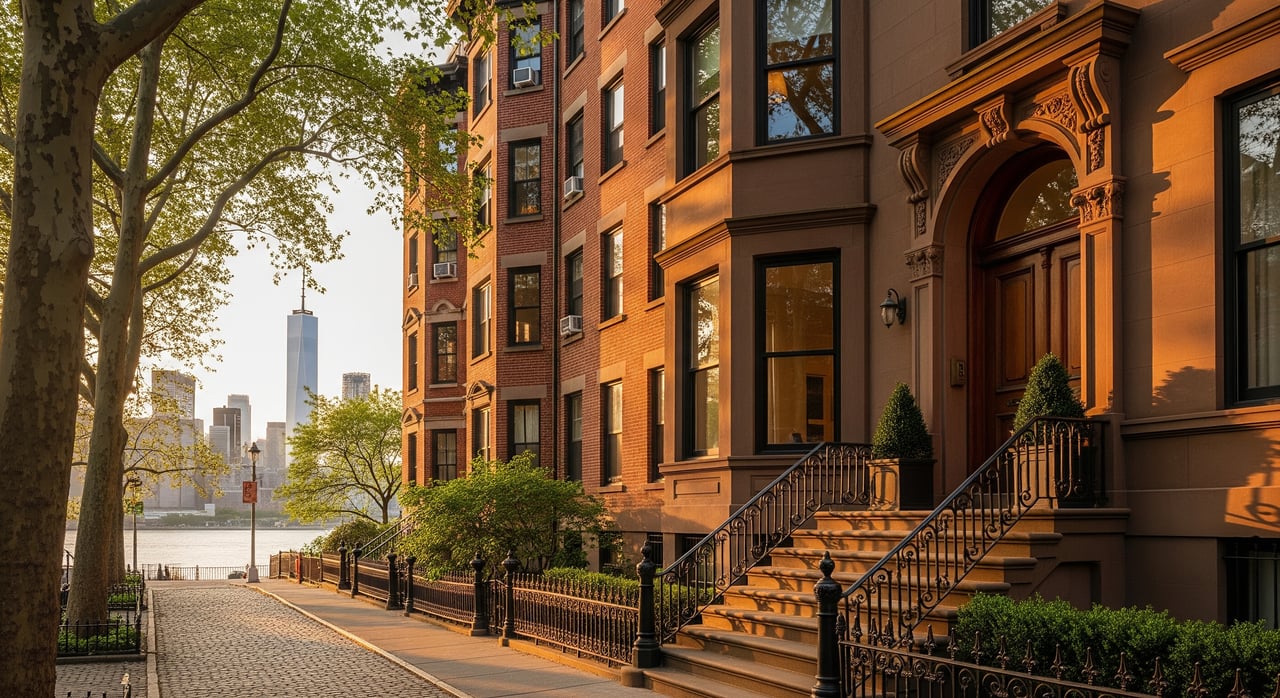
Brooklyn Heights is known for 19th-century brownstones, elegant rowhouses, and prewar apartment buildings on quiet, tree-lined blocks. You also see some condo conversions and a small number of newer condo towers near the waterfront.
The neighborhood is a designated historic district. Exterior changes to many townhouses and façades require review and permits. That can affect your renovation scope, timeline, and cost.
Location drives demand. Fast access to Lower Manhattan and Midtown, the Brooklyn Heights Promenade, and nearby Brooklyn Bridge Park, plus neighborhood shops and dining, all support strong buyer interest. Inventory is limited, which affects pricing and resale dynamics for each property type.
Ownership 101: townhouse, co-op, condo
What you actually own
- Townhouse: You own the land and the structure. You hold a deed and handle all maintenance, inside and out, plus property taxes.
- Co-op: You buy shares in a corporation that owns the building and receive a proprietary lease for your apartment. The co-op board sets and enforces policies.
- Condo: You own a deeded unit and a percentage of common areas. A condo board manages building rules and common charges.
How you finance the purchase
- Townhouse: Financed like a single-family home. You should budget for property taxes, homeowner insurance, and standard closing costs.
- Co-op: You finance shares with a share loan. Many co-ops expect larger down payments and strong liquid reserves after closing. Board approval comes after you secure financing.
- Condo: Typically easier for lenders to underwrite. Minimum down payments are often lower than many co-ops. Some condos can qualify for certain government-backed loans if the building meets program rules.
How deals typically close
- Co-op: The board package and interview can add weeks. Approval is discretionary and requires detailed documentation.
- Condo: Fewer subjective approvals. Closings tend to move faster.
- Townhouse: Similar to a single-family sale. Surveys, title items, and any renovation escrows can affect timing.
Monthly costs and predictability
What your monthly payments cover
- Townhouse: You pay property taxes and all utilities directly. You manage maintenance and insurance for the whole property.
- Co-op: One monthly maintenance payment often includes building staffing, building insurance, heat and hot water in many prewar buildings, a share of property taxes, and sometimes an underlying building mortgage.
- Condo: Common charges cover staff, common area upkeep, and building insurance for common elements. You pay your own property taxes separately.
Assessments and variability
- Co-ops: Maintenance can be higher if the building has an underlying mortgage or just completed major work. Special assessments can occur for capital projects.
- Condos: Common charges may rise as the building ages or amenity upkeep increases. Special assessments are possible.
- Townhouses: You carry all major capital costs. Roofs, façades, and structural repairs are your responsibility. Historic-district compliance can increase costs and require specialists.
Closing-cost differences to expect
- Co-op: You are buying shares, not real property. The closing cost profile differs from condos and townhouses. Some co-ops have flip taxes that affect seller or buyer proceeds.
- Condo and townhouse: Usually subject to mortgage recording taxes and standard title and recording fees. State transfer taxes and the New York State mansion tax can apply at qualifying price points.
Lifestyle and rules
Renovation realities in a landmark district
- Townhouse: You control the interior, and you can renovate exteriors with the proper permits. Exterior changes in the historic district often require approvals, which can lengthen timelines.
- Co-op: Interior changes usually need board approval. Structural work or anything that affects building systems requires careful signoff and strict contractor protocols.
- Condo: Interiors are generally simpler to renovate than in co-ops, but you still need to follow building rules, hours, and insurance requirements.
Renting and flexibility
- Co-op: Many prewar co-ops limit subletting or set strict terms. That can reduce flexibility if you plan to relocate and rent your unit.
- Condo: Typically more flexible and often preferred by buyers who may rent later. Short-term rental policies vary by building.
- Townhouse: You control rental decisions, subject to local laws and registration rules.
Daily living experience
- Townhouse: Maximum privacy, private outdoor space, and full control, balanced by full responsibility for maintenance.
- Co-op and condo: Less personal maintenance and building staff conveniences, with shared walls and common areas.
Resale and fit: which suits you
If you are drawn to townhouses
A townhouse fits if you want private outdoor space, multi-level living, and long-term control over your home. In Brooklyn Heights, townhouses are rare and prized, which supports long-term value. The trade-off is a higher entry price and the full cost of upkeep. Resale can take longer in softer markets due to a smaller buyer pool at higher price points.
If you are considering a prewar co-op
A co-op can offer classic Brooklyn Heights character and a lower purchase price than a comparable townhouse. Your monthly maintenance bundles many costs, which some owners find simpler to manage. Expect board oversight, higher down payments in some buildings, and detailed approval steps. Well-run co-ops with stable financials sell well to buyers who value long-term ownership.
If you want flexibility in a condo
A condo often offers modern systems, amenity packages, and easier financing and resale. Many buyers who might rent later prefer condos, especially relocating professionals or out-of-market buyers. Common charges can change as buildings age, and special assessments are possible, so budget for future increases.
Quick decision guide
- You want privacy, outdoor space, and control: consider a townhouse.
- You want prewar details, a potentially lower entry price than a house, and inclusive monthly costs: consider a co-op.
- You want flexibility to rent, simpler financing, and easier resale to out-of-market buyers: consider a condo.
Due diligence checklist for Brooklyn Heights buyers
For townhouses
- Verify any landmark restrictions that may affect future exterior work.
- Order a full property survey and thorough inspection for structural items, façade, and roof.
- Review property tax history, utilities, and any open violations or sidewalk obligations.
- Confirm whether the lot is in a flood zone and understand implications for insurance and systems.
For co-ops
- Review the proprietary lease, bylaws, house rules, and recent board minutes.
- Analyze building financials, reserves, and any underlying mortgage.
- Understand the sublet policy, pet policy, and any flip tax rules.
- Ask for typical buyer qualifications, including down payment and post-closing liquidity expectations.
- Confirm renovation procedures, insurance requirements, and work-hour rules.
For condos
- Review the offering plan if applicable, bylaws, financials, reserve study, and recent minutes.
- Confirm any pending assessments, amenity costs, and parking policies.
- Understand rental policies and any short-term rental limits.
- If you plan to use a government-backed loan, verify whether the building meets program eligibility.
Smart questions to ask listing agents
- What does the monthly maintenance or common charge cover exactly?
- Has the building completed major capital work recently, and how was it funded?
- How often does the building levy special assessments?
- What are the sublet, pet, and renovation rules today?
- For co-ops, what are the typical board approval timelines and interview steps?
Timing and cash planning
- Build in time for co-op board reviews. The package, interview, and approval process can add weeks.
- Budget for renovation timelines. Exterior work in the historic district can take longer due to permits and reviews.
- Keep adequate liquidity. Many co-ops expect buyers to hold significant cash reserves after closing. Condos and townhouses also require cash on hand for closing costs, improvements, and taxes.
Work with an advisor who knows construction and valuation
Your choice in Brooklyn Heights is not just about style. It is about ownership structure, approvals, carrying costs, and how the property will perform when you sell. You get the best results when your agent can translate building rules and renovation realities into clear numbers and timelines.
Based in nearby Cobble Hill, the DE Advisory Team blends hands-on brokerage with construction insight and valuation expertise. The team can help you compare co-op, condo, and townhouse options, stress-test monthly and closing costs, evaluate renovation scopes in a landmark district, and plan upgrades that protect resale value. If you are weighing your next move in Brooklyn Heights, connect with the DE Advisory Team for a thoughtful, data-informed strategy.
FAQs
What is the difference between a townhouse, co-op, and condo in Brooklyn Heights?
- A townhouse is fee simple ownership, a co-op is shares plus a proprietary lease, and a condo is a deeded unit with common ownership of shared areas.
Which is usually cheapest to buy in Brooklyn Heights?
- Prices vary by size and condition, but co-ops are often priced lower than comparable condos or townhouses in the same location, with different ongoing obligations.
Can I rent out my home in Brooklyn Heights?
- Condos and townhouses are typically more flexible for rentals, while many co-ops limit or regulate subletting terms.
How hard is renovating in the Brooklyn Heights Historic District?
- Townhouse exteriors often need approvals and permits, while co-ops and condos require building authorization for interior work and strict contractor protocols.
How long does a co-op board approval take in Brooklyn Heights?
- The board package and interview add time, and approvals are discretionary, so plan for several additional weeks beyond standard contract and financing steps.
What financing is most flexible for relocating buyers in Brooklyn Heights?
- Condos generally offer the widest range of lending options and simpler underwriting, while co-ops often require higher down payments and strong post-closing liquidity.