Thinking about selling a Cobble Hill brownstone soon? In this market, the wrong renovation can cost you time, money, and momentum, while the right pre-sale upgrades can help your home show better without turning into a full-scale project. If you want to protect the character buyers expect and focus your budget where it counts, this guide will walk you through the smartest moves before you list. Let’s dive in.
Why smart upgrades matter in Cobble Hill
Cobble Hill is not a market where bigger always means better. It is one of Brooklyn’s most expensive townhouse neighborhoods, and buyers are often paying for a very specific mix of historic character, livability, and presentation, as reflected in the neighborhood’s housing stock and pricing patterns on StreetEasy’s Cobble Hill neighborhood page.
That makes pre-sale strategy especially important. In a premium townhouse market where renovated and turnkey historic homes continue to command strong pricing, your goal is usually not to reinvent the house. It is to make the home feel bright, functional, and well cared for while preserving the details that make a Cobble Hill brownstone special, a pattern also echoed in recent Brooklyn townhouse market reporting from Leslie Garfield.
Start with preservation plus livability
In Cobble Hill, buyers are often drawn to brownstones because they want original architecture with a practical day-to-day layout. That means your pre-sale improvements should support both sides of that equation.
A strong pre-sale plan usually keeps original moldings, staircases, fireplaces, and facade character visible while improving how the home feels to live in right now. Natural light, cleaner sightlines, refreshed finishes, and better flow tend to do more for buyer interest than an expensive overhaul.
Focus on high-visibility upgrades
If you expect to sell within the next year, the safest spending is often on visible, low-disruption work. According to the 2025 NARI Remodeling Impact Report, Realtors most often recommend painting before listing, and buyers’ agents frequently report stronger demand for kitchen and bathroom updates.
That does not mean you need a luxury gut renovation. In fact, the same report shows that smaller and midrange projects often outperform large upscale remodels in cost recovery, which supports a more disciplined pre-sale approach.
Best bets before listing
For many Cobble Hill sellers, the most effective upgrades include:
- Fresh interior paint
- Floor refinishing
- Updated light fixtures
- New cabinet hardware
- Deep cleaning
- Repair of worn or visibly tired surfaces
- Minor kitchen improvements
- Minor bathroom improvements
These projects are easier for buyers to notice right away. They also help your brownstone photograph better, show better, and feel more move-in ready.
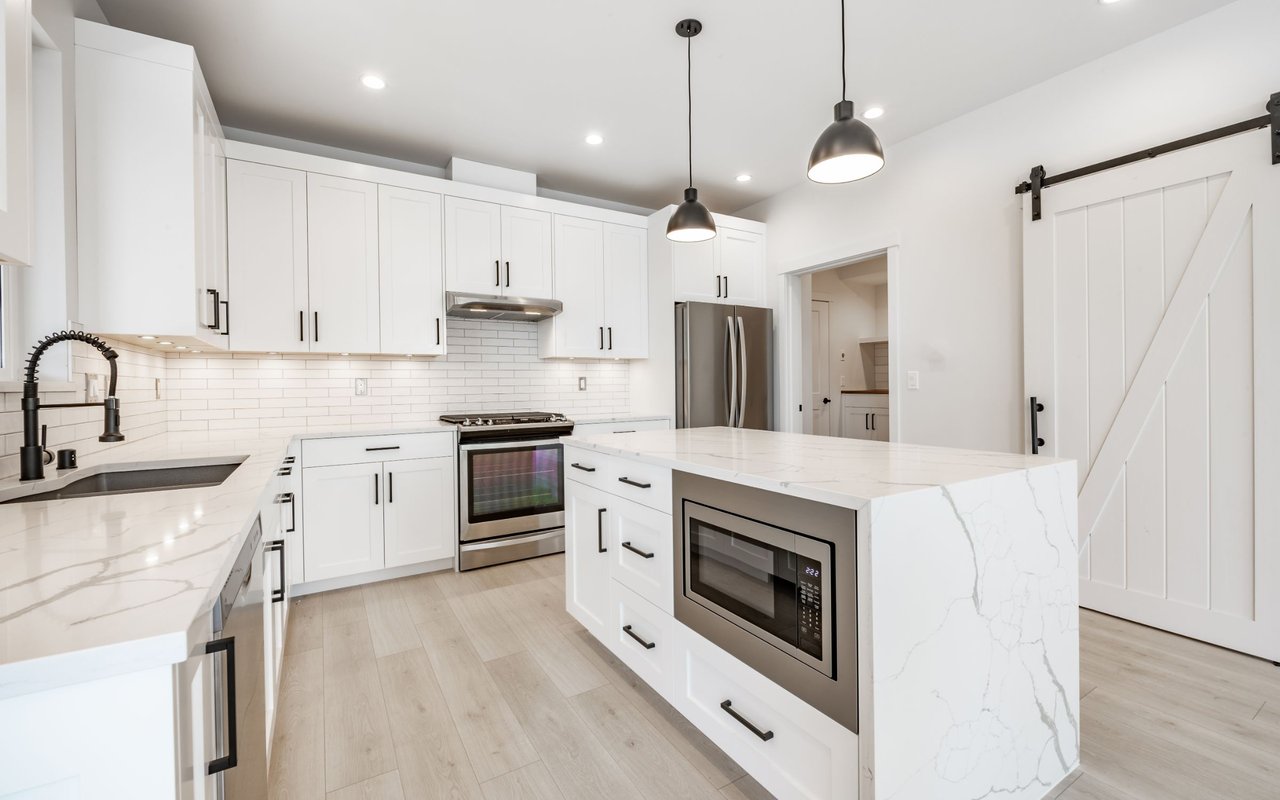
Refresh the kitchen, don’t rebuild it
A kitchen can influence buyer perception quickly, especially in a townhouse where flow and light matter. But if your timeline is short, a full custom renovation may not be the highest-return move.
National cost-recoup benchmarks in the 2025 NARI report show a clear gap between midrange kitchen work and upscale kitchen overhauls. That is one reason many sellers are better served by making the kitchen feel cleaner, brighter, and more functional rather than starting from scratch.
Kitchen updates that can pay off
Consider targeted changes such as:
- Refinishing or repainting cabinets
- Replacing dated counters
- Simplifying the backsplash
- Updating faucets and fixtures
- Adding better task lighting
- Reducing visual clutter
In a Cobble Hill brownstone, these choices can help the kitchen feel more current while keeping the overall tone aligned with the house. The aim is not to make the room flashy. It is to make it feel easy to use and visually connected to the rest of the home.
Update baths with restraint
Bathrooms can also shape whether buyers see a home as well maintained or as a future project. But here again, restraint usually works better than overbuilding.
A bath refresh can often go a long way with:
- New tile
- An updated vanity
- A fresh mirror
- Better lighting
- New plumbing fixtures
These changes can make the room read as fresh and intentional without taking on the cost and complexity of a full reconfiguration. If your sale is near-term, that balance matters.
Improve flow without major layout changes
In townhouse sales, layout matters, but not every issue needs a structural solution. Buyers often respond well to homes that feel open, bright, and flexible, especially when the parlor level, kitchen, and outdoor areas connect in a simple way.
That is why modest, buyer-facing layout improvements can make sense. You may benefit more from opening sightlines, clarifying room use, or improving access to garden-level living than from moving walls or reducing bedroom count.
Smart flow improvements
Useful pre-sale changes may include:
- Defining a flex room as an office or guest space
- Improving furniture layout to show scale
- Removing bulky pieces that block light
- Creating a clearer connection between kitchen and garden access
- Making the parlor floor feel more open and legible
These are often easier, faster, and less risky than a major renovation. They also support how buyers tend to experience brownstones during showings.
Don’t overlook staging
Staging is often one of the lowest-risk investments you can make before listing. In the 2025 Profile of Home Staging Snapshot from the National Association of Realtors, 83% of buyers’ agents said staging made it easier for buyers to visualize a property as a future home.
For a Cobble Hill brownstone, staging should feel restrained and proportional to the architecture. The home’s ceiling height, fireplaces, moldings, and staircase should stay visible, not get buried under oversized furniture or trendy decor.
What good staging should do
Your staging plan should help buyers quickly understand:
- How each room can function
- How large the spaces feel
- Where natural light comes in
- How the home flows from front to back
- How original details fit into everyday living
Done well, staging can bridge the gap between historic charm and modern usability, which is exactly what many buyers are looking for in this neighborhood.
Know the historic district rules
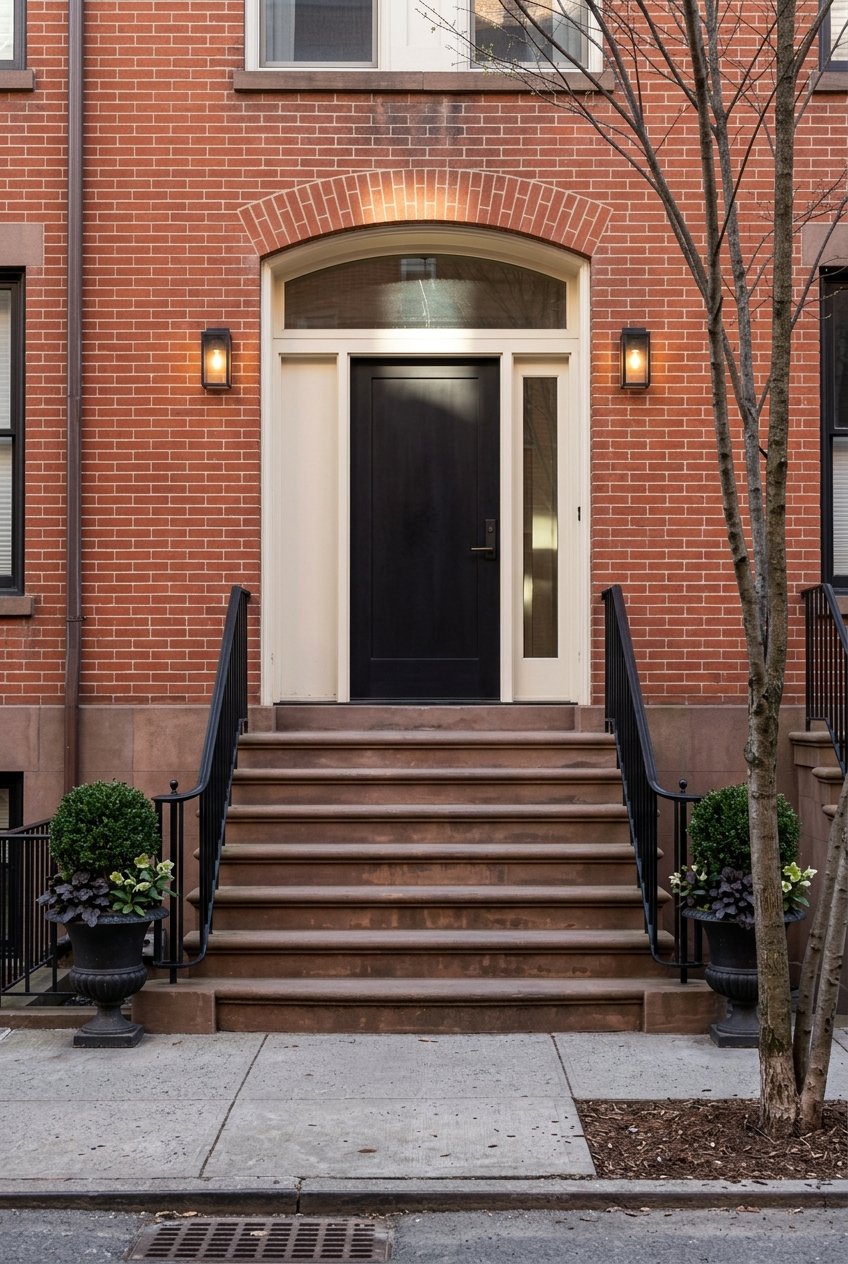
Cobble Hill is a designated New York City historic district, and that matters before you touch the exterior. According to the NYC Landmarks Preservation Commission’s historic district information, most exterior changes to landmarked properties require review.
The permit process is not always a barrier, but it should shape your planning. The Landmarks Preservation Commission permit guidance explains that exterior work affecting a landmark or historic-district building generally requires a permit, including replacement, alteration, reconstruction, and certain other changes. It also notes that many approvals are issued at the staff level when work conforms to the rules.
Exterior work that may need review
Depending on scope, review may apply to items such as:
- Windows
- Masonry restoration
- Roof work
- Doors
- Stoops
- Fences
- Handrails
- HVAC equipment affecting the exterior
The LPC overview on permits and alterations is a helpful starting point if you are weighing outside work before listing.
Prioritize low-risk exterior fixes
Because of the approvals layer, sellers are often best served by handling interior cosmetics first and limiting exterior work to smaller compliant fixes that remove obvious objections. Routine maintenance may be treated differently from broader alterations, so scope matters.
In practical terms, that could mean cleaning up deferred maintenance, addressing minor visible wear, and avoiding a broad facade or window project unless there is a clear reason to do it. The right strategy is usually the one that improves first impressions without introducing unnecessary timeline risk.
A simple pre-sale upgrade framework
If you are trying to decide where to spend before listing, this order of operations can help:
1. Fix what feels tired
Start with paint, floors, lighting, hardware, patching, and deep cleaning. These items affect nearly every showing.
2. Refresh kitchens and baths
Focus on cosmetic improvements that make these rooms feel updated and functional. Avoid luxury overhauls if your sale is near.
3. Clarify layout and flow
Use furniture, staging, and selective edits to make the home feel brighter and easier to understand.
4. Review exterior scope carefully
If exterior work is needed, keep the scope focused and confirm whether Landmarks review applies before you begin.
5. Stage for the architecture
Choose staging that highlights original details and scale rather than competing with them.
The real goal: maximize appeal, not construction
The best pre-sale upgrades for a Cobble Hill brownstone are usually the ones that help buyers feel the house immediately. In this neighborhood, that often means polished surfaces, preserved detail, better light, cleaner flow, and fewer visible projects after closing.
If you are weighing which improvements are worth doing before you list, working with an advisor who understands pricing, buyer expectations, and renovation scope can save you from overspending in the wrong places. For tailored guidance on pre-sale strategy, pricing, and presentation, connect with DE Advisory Team.
FAQs
What are the best pre-sale upgrades for a Cobble Hill brownstone?
- The most practical upgrades are usually high-visibility, low-disruption improvements such as paint, floor refinishing, lighting, hardware updates, deep cleaning, minor kitchen refreshes, minor bath updates, and staging.
Do Cobble Hill brownstone exterior renovations need Landmarks approval?
- Many exterior changes in Cobble Hill’s historic district require review by the NYC Landmarks Preservation Commission, so it is important to confirm the scope before starting exterior work.
Should you fully renovate a kitchen before selling a Cobble Hill townhouse?
- If you plan to sell soon, a targeted kitchen refresh is often a better bet than a full luxury renovation because smaller and midrange projects tend to offer stronger cost recovery than upscale rebuilds.
Is staging worth it for a Cobble Hill brownstone sale?
- Staging can be very worthwhile because it helps buyers visualize the home, understand room function, and appreciate original architectural details without distraction.
What do Cobble Hill buyers seem to value in brownstones?
- Buyers appear to respond to preserved original detail, natural light, flexible layouts, outdoor access, and a polished presentation that balances historic character with everyday usability.