Wondering whether you should renovate before selling in Cobble Hill? It is a smart question, especially when buyers are paying premium prices but taking more time to choose. If you want to protect your sale price without wasting money on the wrong upgrades, the key is knowing what buyers are likely to notice, reward, and discount. Let’s dive in.
Cobble Hill conditions matter
Cobble Hill is not a market where every renovation pays off equally. The neighborhood sits within the Cobble Hill Historic District, which is known for 19th-century rowhouses and a wide mix of preserved architectural styles. That means buyers are often looking at more than square footage and finishes. They are also paying attention to preservation, character, and street presence.
As of May 2026, Cobble Hill had a median sale price of $2.37 million, an average of 92 days on market, and a 99.9% sale-to-list ratio. In plain terms, well-positioned homes can still sell very close to asking price, but buyers are not rushing. They are taking time to compare options and look closely at condition.
When renovating makes sense
In many Cobble Hill sales, a selective renovation makes more sense than a full overhaul. If your home shows clear wear, dated finishes, or a noticeable gap compared with renovated nearby listings, targeted improvements can help you compete more effectively. The goal is not to make the home feel overdesigned. The goal is to remove friction for buyers.
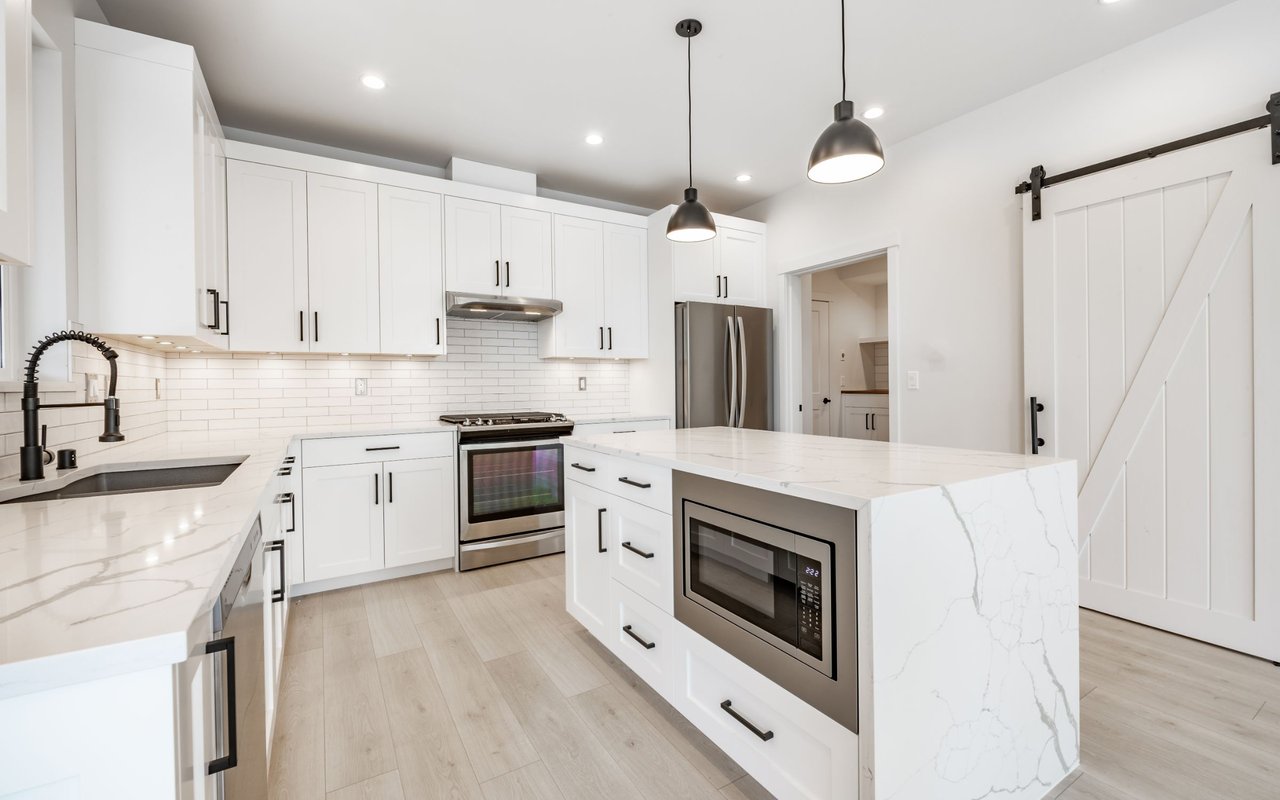
A renovation is usually more defensible when your kitchen or bathroom feels clearly behind the market, when the layout feels awkward in daily use, or when the front entry and exterior presentation are hurting first impressions. In a neighborhood where architecture carries real value, visible shortcomings can stand out quickly. Buyers may still love the location and bones, but they will often price in the work they expect to do.
Why a full gut renovation is often risky
A full renovation before listing can sound appealing, but it is not always the best return play. National remodeling data cited in the research shows that full kitchen and bath projects were not the highest cost-recovery items. By contrast, more focused improvements like a new steel front door had 100% cost recovery, closet renovation had 83%, and a new fiberglass front door had 80%.
That matters in Cobble Hill because location and historic character already support pricing. If your home is broadly market-ready, a last-minute gut renovation can add cost, time, and decision risk without guaranteeing a matching increase in value. Over-customized finishes can also narrow buyer appeal.
What buyers are likely to reward
Recent buyer behavior suggests condition matters more than many sellers assume. The 2025 Remodeling Impact Report found that 46% of buyers are less willing to compromise on home condition. The same report noted stronger buyer demand for kitchen upgrades, new roofing, and bathroom renovations.
In practice, that does not mean you need to rebuild everything. It usually means buyers want a home that feels clean, cared for, and easy to move into. In Cobble Hill, that often includes a polished interior, preserved period details where possible, and a presentation that feels intentional rather than unfinished.
Best pre-sale updates in Cobble Hill
For most sellers, the strongest return comes from lower-friction improvements that make the home show better right away. These projects can improve buyer perception without sending you into a long construction timeline.
Focus on cosmetic improvements
These are often the most defensible upgrades before listing:
- Whole-home painting
- A paint refresh in key rooms
- Floor refinishing or resurfacing
- Cabinet updates
- New hardware
- Lighting refreshes
- Deep cleaning
- Decluttering
- Staging
NYC guidance says painting, installing new cabinets, resurfacing floors, and some plumbing fixture replacement generally do not require a work permit. That can make these updates faster and easier to complete before going to market.
Improve first impressions
Entry presentation matters, especially in a historic neighborhood where curb appeal is part of the product. Research cited here shows 92% of REALTORS suggest curb appeal improvements before listing, and 97% believe curb appeal is important in attracting a buyer.
In Cobble Hill, that often supports modest exterior touch-ups and entry improvements rather than a major exterior overhaul. If the front door, stoop, or visible frontage feels tired, buyers may start mentally discounting the property before they even walk inside.
What to think about before exterior work
Cobble Hill’s historic-district status changes the renovation conversation. The Landmarks Preservation Commission requires permits for exterior work on buildings in a historic district, even for exterior areas not visible from the street, and even when the Department of Buildings would not require a permit. That added layer can affect timeline, scope, and risk.
Some simple maintenance may not need LPC review, such as repainting a door the same color or replacing broken glass in kind. Still, sellers should be careful about assuming exterior work is minor just because it looks minor. In Cobble Hill, exterior changes can trigger approvals that make a pre-sale project much slower than expected.
Permits can change your timeline
Timing matters when you are preparing to list. Most NYC construction requires DOB approval, and kitchen and bathroom renovations often require an ALT2 permit filed by a licensed professional depending on the scope. That can add planning time before any work even begins.
Minor updates are different. Painting, installing new cabinets, and resurfacing floors are among the changes that generally do not need a DOB permit. If your goal is to get to market efficiently, those lighter-touch improvements often offer a better balance of effort and payoff.
A smart pricing alternative
Sometimes the best answer is not renovate or do not renovate. It is refresh and price correctly. In Cobble Hill, that often means fixing obvious cosmetic issues, presenting the home cleanly, and pricing against renovated comparable properties with discipline.
This approach can work especially well when your home has strong bones, attractive architecture, and only moderate cosmetic needs. Instead of chasing a perfect finish line, you focus on reducing buyer objections and telling a clear pricing story. In a market where homes were averaging 92 days on market, that discipline can matter as much as the renovation itself.
When selling as-is is reasonable
Selling as-is can be the right move if the home needs major work and you want speed or simplicity. That does not mean the property will not sell. It means buyers are likely to build a renovation discount into their offers.
This option can make sense if the required work is broad, permit-heavy, or difficult to complete before listing. It can also make sense if the value of the location, scale, and historic character is already strong enough to attract buyers who want to personalize the home themselves.
A simple decision framework
If you are deciding whether to renovate before selling in Cobble Hill, start with these questions:
- Are the home’s flaws mostly cosmetic or more structural and layout-related?
- Does the kitchen or bath feel clearly dated compared with nearby renovated listings?
- Would entry or frontage issues hurt first impressions?
- Would the work require DOB or LPC approvals that could delay your sale?
- Is the likely pricing lift greater than the cost, time, and disruption?
If most of your issues are cosmetic, a refresh is usually the better bet. If the home has clear condition problems that would materially suppress offers, more substantial work may be worth considering.
The Cobble Hill bottom line
In Cobble Hill, renovating before selling is usually most effective when the work is selective, visible, and relatively easy to execute. Clean interiors, refreshed surfaces, strong presentation, and thoughtful pricing often outperform a rushed full-scale remodel. In a historic neighborhood where buyers care about both condition and character, smart restraint can be an advantage.
If you are weighing renovation versus listing as-is, the right answer depends on your home’s condition, your timeline, and how your property compares with nearby sales. A focused plan can help you avoid overspending while still protecting value. For tailored guidance on scope, pricing, and pre-sale preparation in Cobble Hill, connect with the DE Advisory Team.
FAQs
Should you renovate a Cobble Hill townhouse before selling?
- Usually, selective updates make more sense than a full renovation unless the townhouse has clear condition issues that would materially reduce buyer interest or offers.
What renovations add the most value before selling in Cobble Hill?
- In many cases, cosmetic improvements, entry updates, floor refinishing, painting, decluttering, and staging offer a stronger payoff than a full gut renovation.
Do you need permits for pre-sale renovations in Cobble Hill?
- Some minor work like painting, new cabinets, and resurfaced floors generally does not require a DOB permit, but larger kitchen, bath, or exterior projects may require DOB approval and, in the historic district, LPC review.
Does historic-district status affect exterior work in Cobble Hill?
- Yes. Exterior work in the Cobble Hill Historic District can require LPC permits even when the Department of Buildings does not require a permit.
Is selling as-is a good option for a Cobble Hill home?
- It can be, especially if the home needs major work and you want a faster, simpler sale, but buyers will usually factor renovation costs into their offers.