Wondering whether Red Hook fits the way you actually want to live in Brooklyn? It is a fair question, because Red Hook offers a very different experience from many nearby neighborhoods. If you are weighing lifestyle, commute tradeoffs, housing options, and waterfront risk, this guide will help you think through what matters most before you make a move. Let’s dive in.
What Red Hook Feels Like
Red Hook is a peninsula neighborhood in Brooklyn Community District 6, bordered by Buttermilk Channel, Upper Bay, Gowanus Bay, and major transportation barriers like Hamilton Avenue, the elevated Gowanus Expressway, and the Battery Tunnel entrance. According to New York City Planning materials, it is a mixed-use neighborhood with an industrial waterfront and a residential core.
That mix gives Red Hook a more self-contained feel than many nearby brownstone districts. Instead of reading as one continuous rowhouse neighborhood, it feels like a place with distinct sections, varied building types, and a strong working-waterfront identity.
Housing in Red Hook
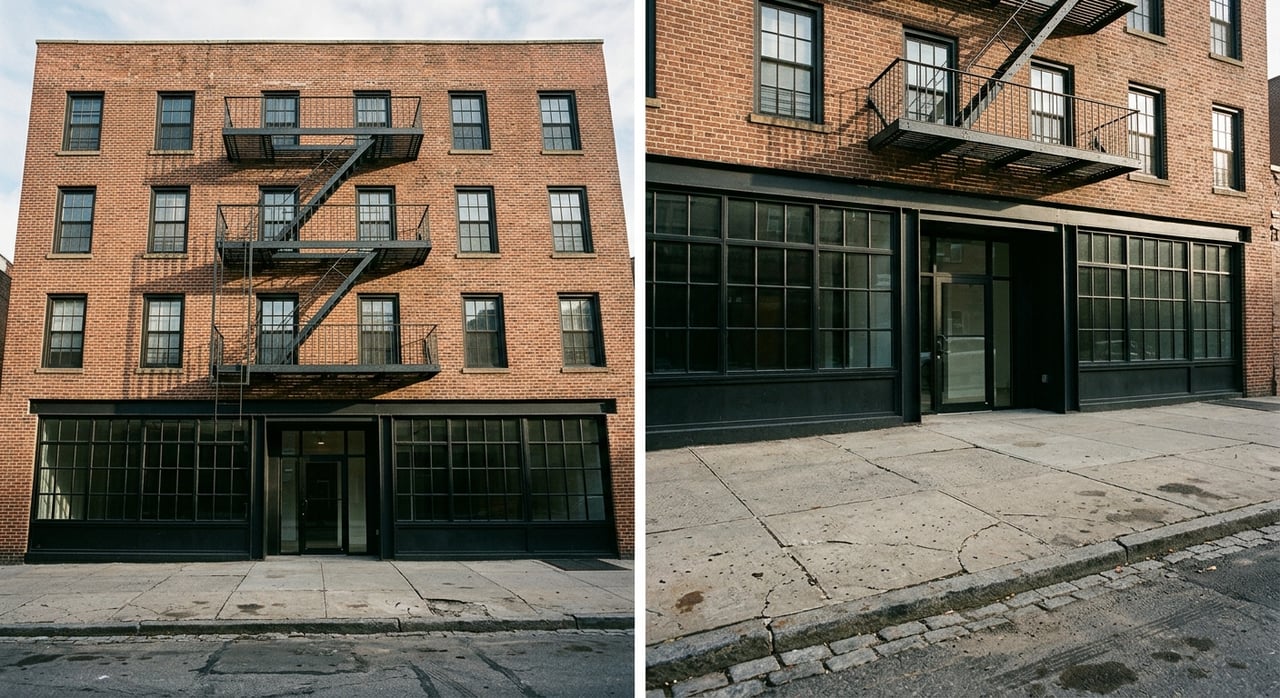
If you are hoping for one consistent housing style, Red Hook may surprise you. The neighborhood includes two- to four-story rowhouses, four- to six-story multifamily loft buildings, and the large Red Hook Houses campus, along with warehouses, light manufacturing, studios, event spaces, distribution uses, and other commercial properties, based on the same city planning report.
That means your experience can vary a lot from block to block. Some parts feel residential and compact, while others feel more industrial or mixed-use, especially closer to the waterfront.
The neighborhood also has about 11,000 residents, and roughly 70% live in NYCHA’s Red Hook Houses, which the city identifies as the largest public housing development in Brooklyn. From a home search perspective, that adds to the reality that Red Hook is not a uniform townhouse or condo market. It is a neighborhood with several sub-areas and very different property contexts.
Waterfront Appeal and Open Space
For many buyers and renters, Red Hook’s biggest draw is its waterfront character. It offers a quieter, more open feel than many parts of brownstone Brooklyn, and that alone can make it stand out if you want a neighborhood that feels visually distinct and less crowded.
One major amenity is Red Hook Recreation Area, which includes basketball courts, soccer fields, handball courts, a playground, a running track, an Olympic-size pool, and a recreation center. If outdoor space matters to you, that is a meaningful advantage.
Valentino Pier also helps define the neighborhood’s atmosphere. NYC Parks describes it as being surrounded by early-20th-century industrial buildings, with views of the Statue of Liberty, Governors Island, Manhattan’s skyline, Staten Island, and New York Harbor.
Those views, paired with nearby businesses on Van Brunt Street, contribute to Red Hook’s local and independent feel. If you want a waterfront setting that feels a little removed from the pace of central Brooklyn, this is one of Red Hook’s strongest selling points.
Everyday Convenience in Red Hook
Red Hook does have local commercial activity, but it is shaped by the neighborhood’s geography and layout. City planning materials identify Van Brunt Street as Red Hook’s main commercial spine and the corridor with the greatest concentration of retail outlets in the neighborhood.
The waterfront commercial mix also includes grocery stores, IKEA, restaurants, shops, and a few hotels, according to Brooklyn Community Board 6 planning materials. In practical terms, you can access daily essentials and neighborhood businesses without needing the kind of dense retail grid you may find elsewhere.
That said, convenience in Red Hook feels different from convenience in more transit-centered Brooklyn neighborhoods. It is often more destination-based and spread out, which can work well for some people and feel limiting for others.
Commute Tradeoffs to Know
This is where Red Hook becomes a clear yes for some buyers and a no for others. The neighborhood is not subway-rich, and the city planning report notes that the nearest subway stations are north and east in Carroll Gardens and Gowanus, which requires crossing Hamilton Avenue.
For many residents, that makes buses, ferries, bikes, and cars a bigger part of daily life. The MTA B61 route connects Park Slope and Downtown Brooklyn via Van Brunt Street, Columbia Street, and 9th Street, while the B57 serves Red Hook as well.
The NYC Ferry South Brooklyn route also serves Red Hook and links it to Wall Street/Pier 11, Atlantic Ave/BBP Pier 6, Corlears Hook, East 34th Street, and Governors Island. NYC Ferry also notes Citi Bike availability in and around the neighborhood, which adds another option for shorter trips.
Still, the biggest commute tradeoff remains the lack of direct subway access. If your routine depends on fast, rail-based access every day, Red Hook may feel more detached and more schedule-dependent than you want.
Flood Risk Should Be Part of the Decision
If you are considering buying or renting in Red Hook, flood exposure should not be treated as a minor detail. The city states that most of the neighborhood is in the 100-year floodplain, and Hurricane Sandy flooded nearly the entire peninsula, according to New York City Planning.
That does not automatically make Red Hook the wrong choice. It does mean you should evaluate any property with a clear understanding of building resiliency, location-specific risk, and how infrastructure improvements may affect future conditions.
The city’s ongoing Red Hook Coastal Resiliency project is intended to reduce flood risk through measures such as floodwalls, deployable barriers, raised street grades, and related improvements. If you are serious about the neighborhood, this should be part of your due diligence, not an afterthought.
Who Red Hook Fits Best
Red Hook can be a strong fit if you value:
- Waterfront character
- A quieter neighborhood feel
- Parks and open space
- A local identity that feels distinct from more typical brownstone Brooklyn
- Housing in a mixed-use setting rather than a highly uniform streetscape
City planning materials support that profile directly. The neighborhood is especially appealing for people who want a setting that feels less generic and more rooted in its industrial waterfront history.
When Red Hook May Not Be Ideal
Red Hook may be less ideal if your top priorities include:
- A subway-first commute
- Fast daily rail access to Manhattan
- A highly continuous brownstone street wall
- The convenience of being closer to central Brooklyn transit hubs
Those are not small tradeoffs. They are core quality-of-life factors, and they tend to shape whether Red Hook feels exciting and refreshing or simply inconvenient.
Questions to Ask Before You Move
Before you decide whether Red Hook is the right move, it helps to ask yourself a few practical questions:
- How important is direct subway access to your daily routine?
- Do you want a waterfront neighborhood even if it comes with flood-risk considerations?
- Are you comfortable with a mixed-use environment that includes industrial and commercial properties alongside residential blocks?
- Do parks, harbor views, and a quieter feel matter more to you than dense retail and transit convenience?
- Are you evaluating a specific building’s resiliency, not just the neighborhood’s general appeal?
These questions can quickly clarify whether Red Hook matches your priorities or whether another Brooklyn neighborhood may better support your day-to-day life.
Bottom Line on Red Hook
Red Hook is not trying to be interchangeable with the rest of Brooklyn, and that is exactly why some people love it. Its waterfront setting, open space, independent commercial spine, and mixed residential-industrial character give it a strong identity that feels separate from nearby brownstone districts.
At the same time, the commute realities and flood exposure are real. If you are considering a purchase or rental here, the best approach is to balance lifestyle appeal with property-specific due diligence and a clear understanding of how you want to live.
If you are considering Red Hook and want neighborhood-specific guidance grounded in pricing, building condition, and long-term value, DE Advisory Team can help you evaluate the move with a sharper lens.
FAQs
Is Red Hook in Brooklyn a good fit for buyers who want waterfront living?
- Red Hook can be a strong fit if you want waterfront character, open space, and a neighborhood feel that is quieter and more distinct from central Brooklyn.
Is Red Hook hard to commute from without a subway?
- Red Hook has bus, ferry, bike, and car options, but the lack of direct subway access is one of the neighborhood’s biggest tradeoffs.
What types of homes are available in Red Hook, Brooklyn?
- Housing in Red Hook includes rowhouses, multifamily loft buildings, and residences within a broader mixed-use neighborhood that also includes commercial and industrial properties.
Does flood risk matter when buying in Red Hook?
- Yes, most of Red Hook is in the 100-year floodplain, so flood exposure and building resiliency should be part of any buying or renting decision.
What is Van Brunt Street in Red Hook known for?
- Van Brunt Street is Red Hook’s main commercial corridor and has the neighborhood’s largest concentration of retail outlets.
What parks and outdoor spaces are in Red Hook?
- Red Hook Recreation Area and Valentino Pier are two key outdoor assets, offering recreation facilities, waterfront access, and harbor views.