Eyeing a garden-level home in Carroll Gardens for that coveted private backyard and easy street access? You are not alone. These spaces can feel like a sweet spot between townhouse living and apartment convenience, but they come with unique legal, light, and moisture considerations. In this guide, you will learn what “garden level” means here, how to confirm a unit is legal and safe, and the key due-diligence steps to take before you buy or rent. Let’s dive in.
What garden level means in Carroll Gardens
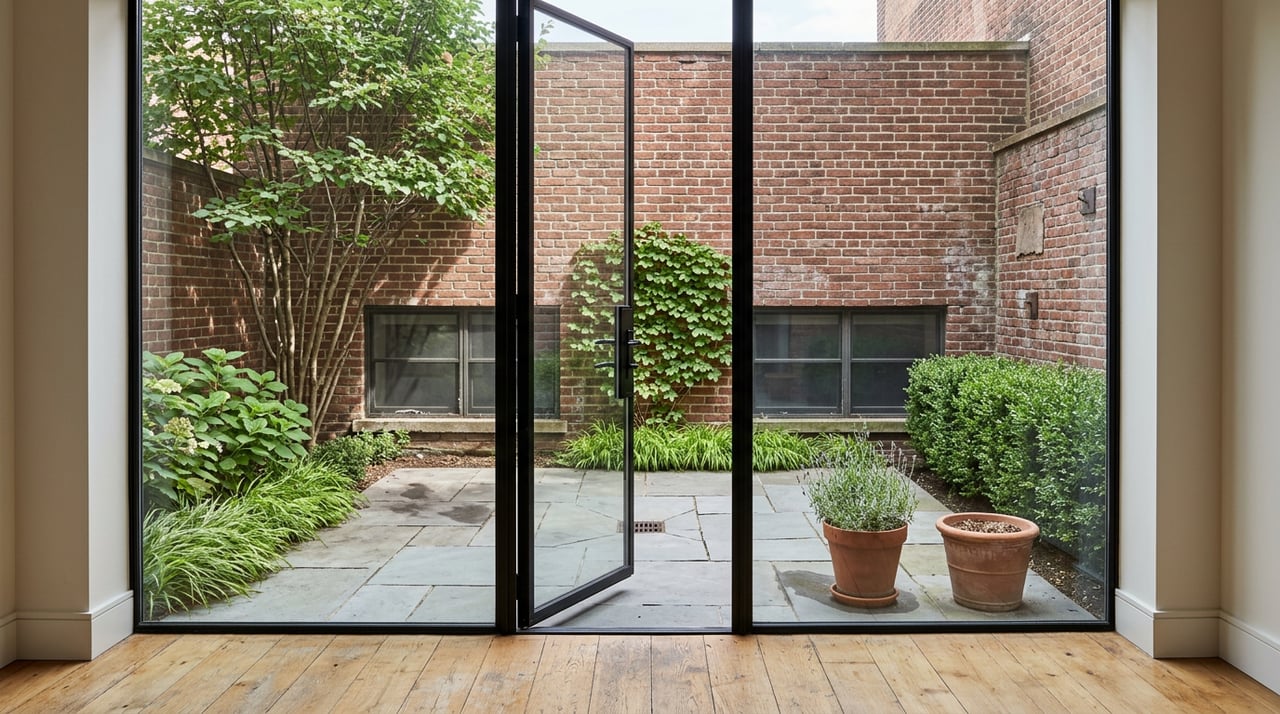
In Brooklyn brownstones, a garden-level unit typically sits partially below street grade and opens directly to a rear yard or patio. It is distinct from the parlor floor above and a full cellar below. Local coverage often uses “garden apartment” to describe these street-adjacent homes with private outdoor space, a major draw across brownstone neighborhoods, including Carroll Gardens. You can see this framing in neighborhood and market write-ups on garden homes and their appeal to buyers and renters who value outdoor space and ground-level convenience, as shown in this overview of garden homes’ advantages. For background, see local coverage of garden homes and why they attract buyers and renters in NYC’s brownstone markets (local coverage of garden homes’ appeal).
Brownstone configurations in Carroll Gardens vary by lot depth and whether the building is single-family or subdivided. Many owners occupy the parlor and upper floors while the garden level functions as a separate rental or as part of a duplex. Expect differences block to block in yard size, basement or cellar depth, and whether the yard is private or shared.
Basement vs cellar: why it matters
New York City makes a clear legal distinction between a basement and a cellar. A basement is a story where at least half its height is above curb or grade. A cellar is more than half below curb or grade. This matters for legality and habitability. Historically, cellars could not be used for sleeping in many buildings, while basements may be habitable only if they meet strict light, ventilation, egress and other safety requirements with Department of Buildings approval. A limited city pilot created pathways to convert certain spaces in specific zones, but Carroll Gardens is outside that pilot and the standard DOB and HPD rules apply. For policy context, see the NYC Comptroller’s summary of the city’s basement and cellar conversion efforts (NYC Comptroller’s pilot summary).
Safety and code must-haves to verify
Before you fall in love with the garden, confirm that the home itself meets code. The Department of Buildings publishes guidance for creating or altering habitable basement and cellar apartments. Treat these items as minimums and verify them on site and in records (DOB guidance for habitable basement and cellar apartments).
Ceiling height and room standards
- Clear ceiling height is a key variable. DOB guidance references minimum clear heights around 7 feet 6 inches for certain below-grade rooms created under the city’s demonstration program. Actual requirements and exceptions depend on building type and approval path. Measure multiple spots, including under beams and ductwork.
Natural light, ventilation and emergency escape
- Habitable rooms must have natural ventilation and at least one openable window. DOB guidance notes typical minimum openable areas around 6 square feet in many situations. Below-grade windows rely on window wells that must be sized and drained correctly.
- Sleeping rooms below grade need compliant emergency escape and rescue openings. Confirm that window wells drain and that openings are not blocked by grates, storage or landscaping.
Means of egress and fire safety
- Direct egress to the outdoors is required. Depending on whether the level is classified as a basement or cellar and the building type, two means of egress may be necessary.
- Fire separations, enclosed mechanical equipment, and smoke and carbon monoxide alarms are mandatory. Sprinklers can be required in certain conversions. Confirm that the work was permitted and appears on the Certificate of Occupancy.
Indoor environmental controls
- For approved below-grade dwellings, DOB guidance references radon testing with a target level below 2 picocuries per liter and a certified vapor barrier under finished flooring where required. Request testing documentation and installation records if the space was recently finished or waterproofed.
Light, privacy and yard access
Natural light and window well realities
Garden levels rely on window wells for daylight. Actual light depends on well size, depth and orientation, plus neighboring stoops and decks. Small or obstructed wells can leave rooms dim and make drainage harder. View the unit at different times of day to understand real light performance, and verify that window wells have functional drains.
Privacy and noise tradeoffs
Rear yards in Carroll Gardens are cozy and close to neighbors. You trade some vertical privacy for direct outdoor access. If privacy matters, study sightlines to adjacent decks and kitchens. Private outdoor space is a consistent market advantage in brownstone neighborhoods, but not all yards are equal in size, exposure or use rules (neighborhood coverage of outdoor-space demand).
Who owns and controls the yard
Do not assume the garden is private just because the door opens to it. Confirm whether the yard is deeded to the unit, shared, or accessed through common areas. For clarity on ownership and easements, check deed and ACRIS records or ask for recorded agreements that spell out maintenance and access rules (how to use ACRIS records).
Moisture, flood risk and air quality
Flood and coastal-storm exposure
Parts of Carroll Gardens sit near the Gowanus watershed and the western Brooklyn waterfront. Flood risk varies by address. Before you commit, look up the property on the NYC Department of City Planning’s Flood Hazard Mapper for coastal and future sea-level exposure, and review FEMA’s official maps for current flood insurance requirements (NYC Flood Hazard Mapper; FEMA Map Service Center).
Sewer backups and heavy rain
NYC’s combined sewer system can back up into below-grade spaces during intense storms. FEMA guidance highlights backflow valves on building laterals and properly set-up sump pumps, often with battery backup, as common mitigations. Ask whether these were installed with permits and when they were last serviced (FEMA guidance on flood and sewer mitigation).
Moisture, mold and safe cleanup
Below-grade living calls for steady moisture management. EPA guidance emphasizes fast drying after leaks, discarding contaminated porous materials, and using qualified remediation if there is extensive or sewage-contaminated damage. Ask for remediation reports, testing results and contractor invoices if there has been prior work (EPA mold and moisture guidance).
Radon and vapor barriers
DOB guidance references radon testing and vapor-barrier documentation for approved below-grade dwellings. These are health safeguards and often relevant for insurance and lending. If recent waterproofing or flooring work was done, request radon test results and proof of a properly installed vapor barrier (DOB guidance for habitable basement and cellar apartments).
Due-diligence checklist for showings
Use this list to focus your questions and documentation requests.
- Legal use and CO: Verify the legal unit count and permitted use in the DOB Buildings Information System. If the garden level is not on the Certificate of Occupancy, treat this as a material issue (DOB BIS property lookup).
- Permits and violations: Review permits, DOB/ECB violations, HPD issues and 311 complaints. Unresolved violations can impact financing and occupancy.
- Flood history and risk: Ask for any flood or storm history, photos and insurance claims. Cross-check parcel exposure on the NYC Flood Hazard Mapper and FEMA maps (NYC Flood Hazard Mapper; FEMA Map Service Center).
- Waterproofing and plumbing protections: Request proof of sump pumps with battery backup, French drains or exterior membranes, window-well drains and a backflow valve. Confirm installations were permitted and understand where discharge lines terminate (FEMA guidance on flood and sewer mitigation).
- Air-quality documentation: Seek evidence of mold remediation and moisture testing. For below-grade dwellings, ask for radon test results and vapor-barrier documentation where applicable (EPA mold and moisture guidance).
- Bedrooms and egress: Measure clear opening sizes if in doubt and ensure emergency escape windows are accessible and not blocked (DOB guidance for habitable basement and cellar apartments).
- Yard ownership and access: Confirm whether the garden is exclusive-use or shared, and request recorded easement or access agreements. Deed and ACRIS records are the source of truth (how to use ACRIS records).
During the tour, also use your senses:
- Smell for mustiness or sewage odors.
- Look for efflorescence, peeling paint at baseboards, bowed drywall, rust stains and standing water in window wells.
- Note ceiling heights near beams or duct runs.
- Check where mechanicals sit. Equipment located below grade can carry higher risk during floods.
Pros and cons at a glance
Pros
- Direct yard access and easy ground-level entry that many Brooklyn buyers prioritize.
- Often more attainable price per square foot than upper floors, and potential rental yield if legally configured and approved.
Cons
- Less natural light and potential privacy tradeoffs depending on window-well size, yard depth and neighbors’ decks.
- Higher exposure to moisture or sewer backups, and the risk of illegal or non-compliant build-outs if documentation is lacking.
Bottom line for Carroll Gardens
Garden-level living in Carroll Gardens can be a smart move if you prize outdoor space and neighborhood character. The key is disciplined diligence: verify legal status and life-safety items with DOB records, test the light at different hours, and ask for proof of waterproofing, backflow protection, radon results and any remediation. If red flags appear, bring in a qualified inspector and request records before you proceed.
If you want a second set of eyes on a specific address or you are weighing whether a garden-level is right for your goals, we are here to help. As construction-literate, appraisal-informed local advisors, the DE Advisory Team can assess code status, estimate renovation scope and advise on value impact so you buy or sell with confidence. Request a Home Valuation or schedule a consult to plan your next step.
FAQs
What is a garden-level apartment in Carroll Gardens?
- A partially below-grade unit in a brownstone or townhouse with direct access to a rear yard or patio, distinct from the parlor floor above and a full cellar below.
How do I check if a garden-level unit is legal in NYC?
- Confirm the legal unit count and use on the Certificate of Occupancy in DOB BIS, and review permits, violations and approved life-safety features shown in DOB records.
Are garden-level homes at higher flood risk in Carroll Gardens?
- Risk varies by address. Check parcel exposure using NYC’s Flood Hazard Mapper for coastal and future conditions and FEMA maps for current insurance requirements.
What should I look for during a showing of a garden unit?
- Adequate light and egress windows, functional window-well drains, signs of moisture, proof of sump and backflow protection, and documentation of radon testing and any remediation.
Can a cellar be used as a legal bedroom in Carroll Gardens?
- Often not, unless it meets strict code standards and approvals. Basements may be habitable if all DOB requirements for light, ventilation, egress and safety are documented and approved.