If you picture brownstone life as all charm and no tradeoffs, Crown Heights will quickly give you a more grounded, and more interesting, reality. This is not a single-note rowhouse district. It is a layered Brooklyn neighborhood where block character, building style, parks, transit, and daily routines all shape what living in a brownstone actually feels like. If you are wondering what everyday life here looks like beyond the façade, this guide will walk you through the rhythm of the neighborhood and the practical side of townhouse living. Let’s dive in.
Crown Heights Is a Block-by-Block Experience
Crown Heights spans parts of Brooklyn Community Board 8 and Community Board 9, which helps explain why the neighborhood can feel different from one stretch to the next. In practical terms, brownstone living here is less about one uniform district and more about a network of rowhouse blocks with their own pace and personality.
Across the neighborhood, a few themes stay consistent. You will find attached homes, active sidewalks, and a daily routine shaped by walking, nearby errands, and strong transit access. That combination gives Crown Heights its lived-in appeal.
Eastern Parkway Shapes Daily Life
Eastern Parkway is one of the neighborhood’s defining corridors. City planning materials describe it as primarily residential, with two- and three-story brownstones alongside some larger apartment buildings, while commercial activity tends to gather near subway stops like Franklin, Nostrand, Kingston, Schenectady, and Utica avenues.
That pattern matters when you think about everyday living. It means many residential blocks feel calm and architectural, while nearby avenues offer the practical side of city life, like groceries, coffee, restaurants, and transit. You get a townhouse setting without feeling cut off from the rest of Brooklyn.
Brownstone Living Feels Active, Not Frozen
Crown Heights does not read like a preserved backdrop. City neighborhood assessments describe walkable streetscapes, historic architecture, and a mix of local businesses and cultural influences that shape daily life.
In simple terms, living in a brownstone here often means your day extends beyond your front door. The stoop, the sidewalk, the corner café, the subway station, and the park all become part of your routine. That is a big reason buyers are drawn to this kind of home in the first place.
What Crown Heights Brownstones Feel Like Inside
The Layout Is Vertical
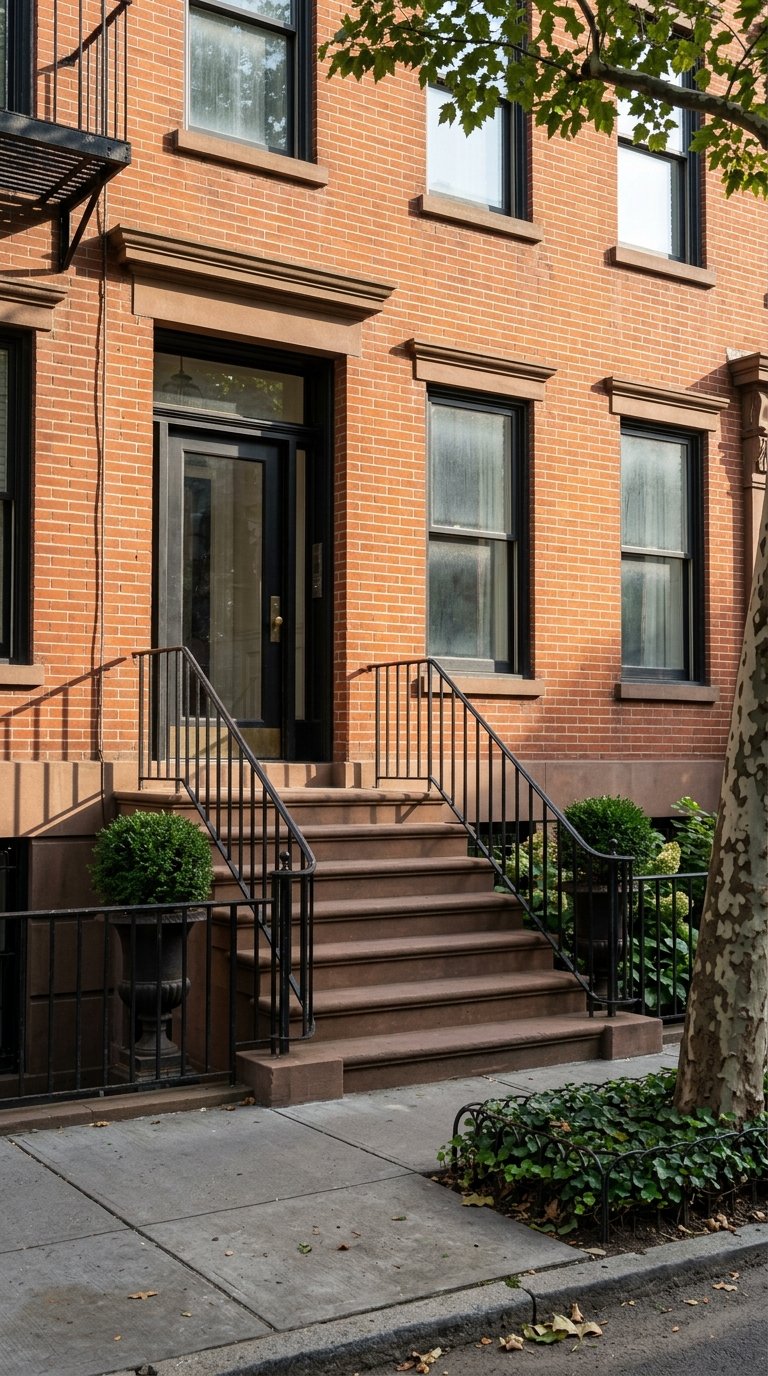
The classic New York brownstone layout is organized floor by floor. Historic descriptions point to the familiar pattern: a tall stoop, parlor-floor entry, front parlor, rear dining room, bedrooms above, and a basement or service level below.
For daily life, that usually means stairs are central to the experience. Instead of one broad open plan, you often move through stacked rooms with a clear separation between public and private space. Many buyers love that rhythm because it creates character and definition, but it is also a real lifestyle consideration.
Rooms Often Have Clear Purpose
Older rowhouses tend to create a different flow than newer condos or modern single-floor homes. The layout can feel more formal, with spaces that naturally lend themselves to living, dining, working, or sleeping rather than blending every use into one room.
That can be a real advantage if you value privacy, distinct zones, or the feeling of a home with architectural structure. At the same time, it is smart to think honestly about how you live day to day, especially if you prefer fewer stairs or a more open arrangement.
Brownstones Here Include More Than Brownstone
The Housing Stock Is Broad
In Crown Heights, “brownstone living” often refers to a broader rowhouse streetscape, not only houses made of literal brownstone. The Crown Heights North II Historic District alone includes more than 600 buildings, with single-family and two-family row houses, freestanding residences, flats buildings, churches, and apartment houses built mainly from the 1870s to the early 1940s.
That range gives the neighborhood visual depth. You may see neo-Grec, Queen Anne, Romanesque, Renaissance, Colonial, Gothic, and other revival styles on nearby blocks. For buyers, that means house-to-house differences can be meaningful, even when homes share the same basic townhouse format.
Character Comes With Variation
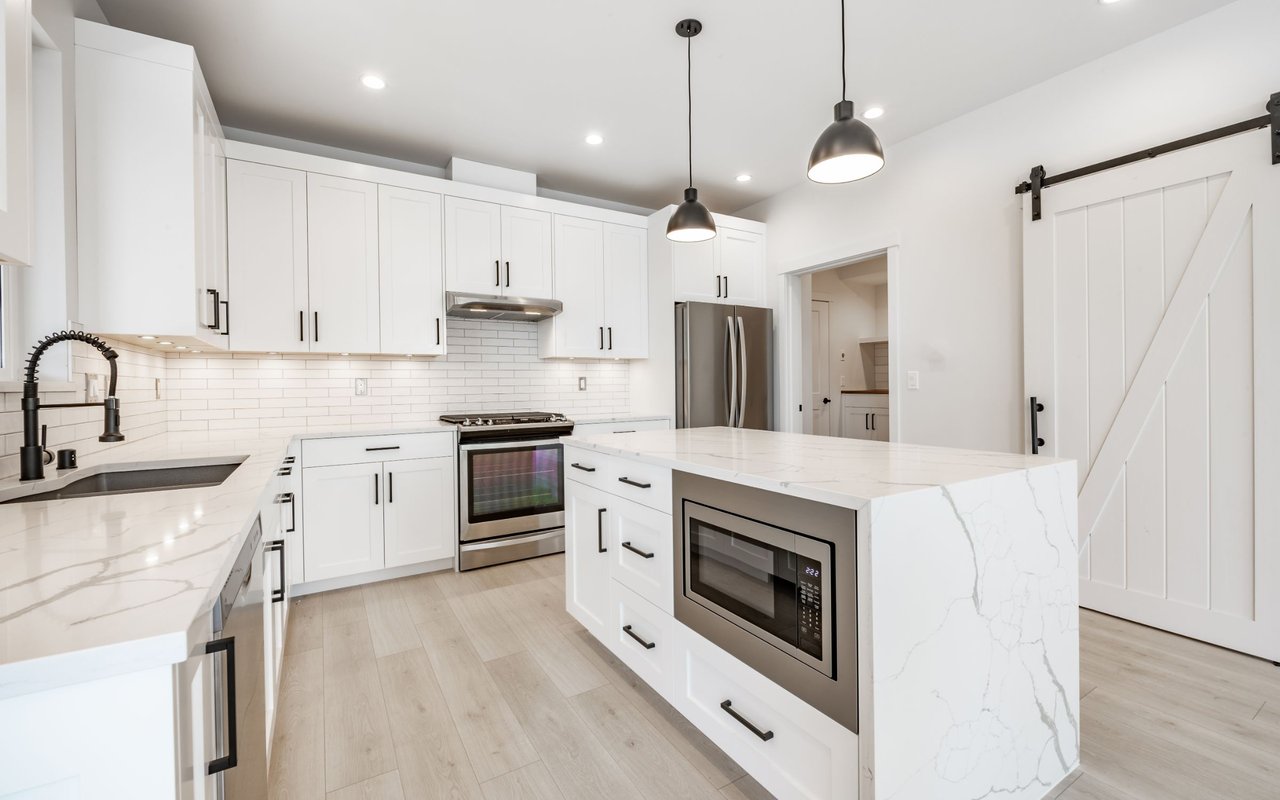
No two rowhouses age in exactly the same way. Some homes retain more original details, while others have been updated over time. Even on the same block, the living experience can shift based on layout, condition, light, and how much work has already been done.
That is why buyers looking in Crown Heights often benefit from evaluating more than curb appeal. The architecture creates the first impression, but the day-to-day fit usually comes down to interior function, upkeep needs, and how the house supports your routine.
Ownership Has a Maintenance Side
Historic District Rules Matter
If a home is in a designated historic district, exterior changes may require approval from the Landmarks Preservation Commission. The city notes that landmark status affects alterations, reconstruction, demolition, and new construction involving designated buildings, and its Rowhouse Manual is intended to help owners preserve and maintain these properties.
For you as a buyer or owner, that can affect decisions about façade repairs, stoops, windows, and rooftop additions. It does not make ownership impossible, but it does mean planning and timelines may require more care than they would in a non-landmarked property.
Upkeep Is Part of the Tradeoff
Townhouse ownership often comes with more direct responsibility than apartment living. In Crown Heights, that can mean thinking about exterior maintenance, aging materials, and the realities of an older structure from the start.
This is where a clear-eyed approach helps. The upside is architectural character and a highly personal home. The tradeoff is that maintenance, stairs, and renovation planning are part of the package.
Parks Add Real Everyday Value
Brower Park Supports Local Routine
Brower Park gives Crown Heights residents a neighborhood-scale green space that is woven into everyday life. NYC Parks lists it as a 7.05-acre park adjacent to P.S. 289, home to the Brooklyn Children’s Museum, and equipped with a fitness path.
That kind of amenity matters more than it may seem on paper. A nearby park can shape your morning walk, weekend routine, or after-work reset. In a rowhouse neighborhood, those public spaces often function like an extension of home.
Prospect Park Expands Your Options
Prospect Park offers a much larger nearby open-space option, with more than 526 acres that include dog runs, playgrounds, a nature center, and an ice-skating rink. For Crown Heights residents, that means everyday living can scale up from the local block to one of Brooklyn’s major park landscapes.
If you want the feel of a townhouse without giving up access to substantial outdoor space, this is part of the neighborhood’s appeal. You are not choosing between architecture and recreation. You can have both within your regular routine.
Transit Makes Townhouse Living Practical
One of the reasons Crown Heights works so well as a place to actually live, not just admire, is transit density. MTA maps show multiple nearby stations, including Eastern Parkway-Brooklyn Museum, Franklin Av-Medgar Evers College, Kingston Av, and Crown Heights-Utica Av.
That station access helps make a car-light lifestyle realistic. For many buyers, that is a major advantage. You get the space and identity of a townhouse while keeping much of the convenience people usually associate with apartment-centered neighborhoods.
Cafés, Dining, and Errands Stay Close
Crown Heights also supports the smaller rituals that make a neighborhood feel easy to live in. Recent food and drink guides point to a strong café culture, with places that function as coffee stop, bakery, bookstore, wine bar, or casual workspace depending on the hour.
That mix adds texture to brownstone life. Your neighborhood routine can include a quick coffee, a laptop session, dinner nearby, or a walk along commercial avenues without needing to plan a full outing. The lifestyle is urban, but it stays local.
The Tradeoffs Are Part of the Appeal
Crown Heights brownstones tend to fit buyers who value historic fabric, walkable streets, and neighborhood amenities over a low-maintenance detached-home setup. City assessments of the commercial district also note everyday corridor issues like garbage pickup, broken sidewalks, double-parking, and street lighting.
That is worth acknowledging because it is part of living in an active Brooklyn neighborhood. The upside is energy, access, and architectural character. The tradeoff is normal city friction, plus the responsibilities that come with an older attached home.
Who Brownstone Living Fits Best
If you are happiest in a home with history, defined rooms, and a strong connection to the street, Crown Heights may feel like a natural fit. The neighborhood offers a practical version of townhouse living, where transit, parks, and nearby amenities support the charm rather than compete with it.
If your priority is minimal upkeep, fewer stairs, or a highly standardized layout, a brownstone may feel less intuitive. The right fit comes down to how you want to live every day, not just how you want a house to look in photos.
Buying or selling a townhouse in Brooklyn often calls for more than lifestyle intuition. It also helps to have guidance on layout value, renovation scope, and how block-by-block differences affect pricing. If you are weighing your next move, DE Advisory Team brings a thoughtful, hands-on approach to townhouse strategy, valuation, and presentation.
FAQs
What does everyday life in a Crown Heights brownstone feel like?
- It usually feels connected to the block and the neighborhood, with a daily rhythm shaped by stairs at home, walkable errands, nearby cafés, parks, and easy subway access.
What is the typical layout of a Crown Heights brownstone?
- Many classic brownstones follow a vertical layout with a stoop entry, parlor floor, rear dining space, bedrooms above, and a lower basement or service level.
Are all Crown Heights brownstones made of brownstone?
- No. In Crown Heights, brownstone living often refers more broadly to attached rowhouses and historic streetscapes that include a range of building materials and architectural styles.
What should buyers know about historic district rules in Crown Heights?
- If a property is in a designated historic district, exterior changes such as façade work, stoop repair, window replacement, or rooftop additions may require Landmarks Preservation Commission approval.
What parks support daily life in Crown Heights?
- Brower Park offers neighborhood-scale open space and amenities, while Prospect Park provides a much larger nearby option with playgrounds, dog runs, a nature center, and seasonal recreation.
How does transit support Crown Heights brownstone living?
- Multiple subway stations in and around the neighborhood help make townhouse living practical for residents who want strong transit access and a car-light routine.
What are the tradeoffs of owning a Crown Heights brownstone?
- The main tradeoffs are stairs, maintenance, and the added care required for older homes, especially in landmarked areas, balanced against architectural character and a strong neighborhood lifestyle.