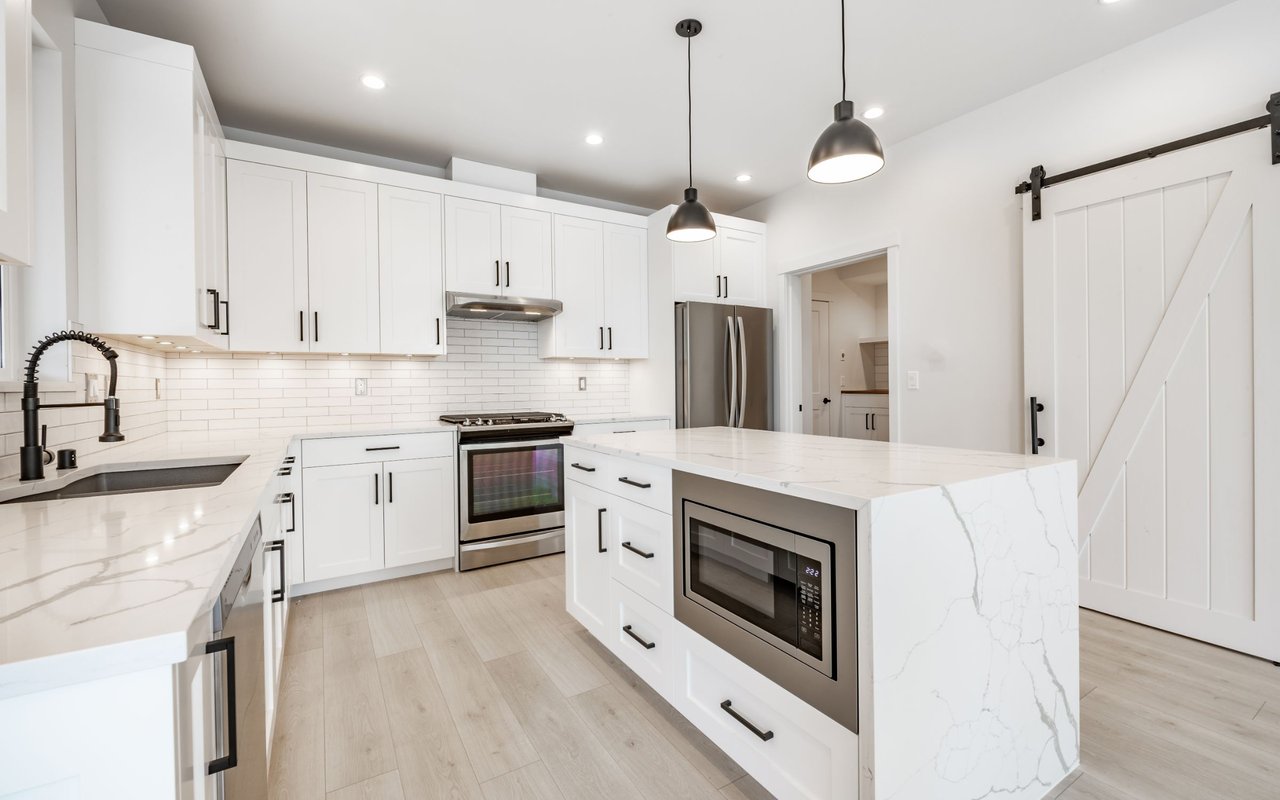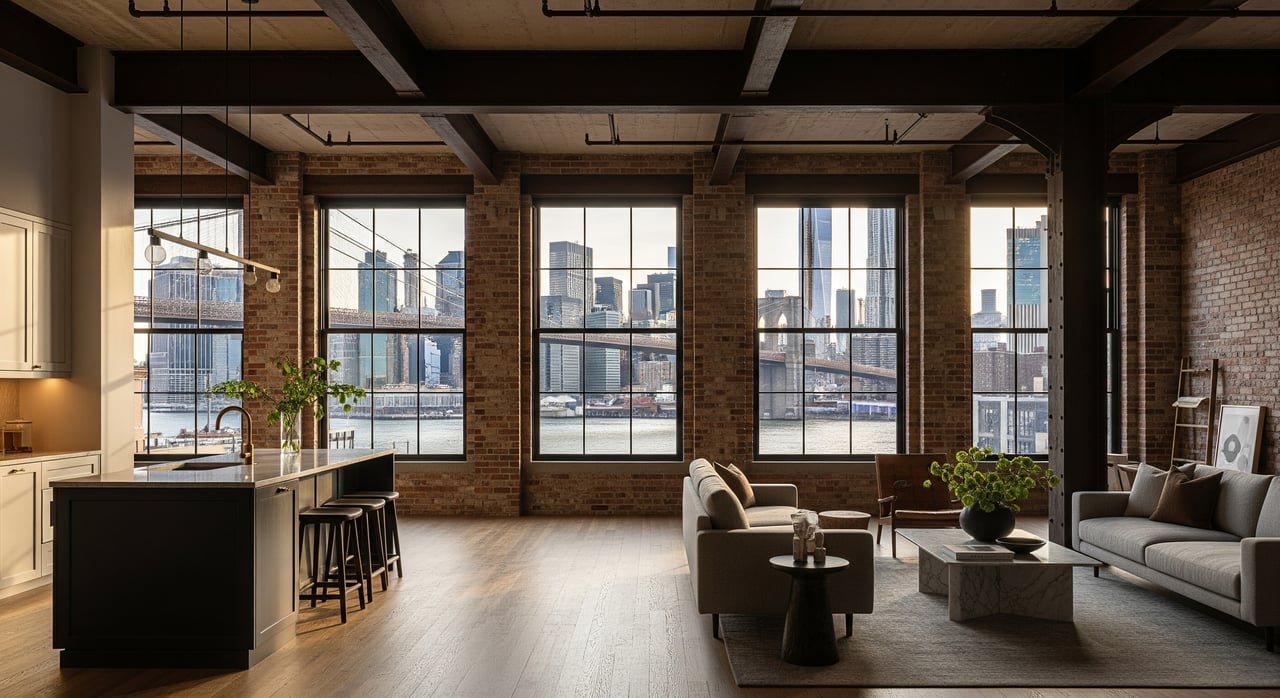
Are you torn between the romance of a DUMBO loft and the convenience of a modern condo? You are not alone. In a neighborhood defined by historic brick warehouses and new luxury towers, both options are compelling for different reasons. In this guide, you will learn how space, comfort, noise, storage, amenities, financing, and resale play out in DUMBO so you can choose with confidence. Let’s dive in.
Why DUMBO building type matters
DUMBO’s signature homes come from converted late-19th and early-20th century industrial buildings. Those conversions created dramatic lofts with open plans, exposed beams, and oversized factory windows. Newer condominium buildings add modern systems, amenity suites, and services. Because DUMBO includes a historic district, exterior changes and many renovations must meet landmark and zoning rules, which influences how both conversions and new builds look and perform.
Loft vs. condo: space and light
Classic lofts often deliver soaring ceilings, sometimes 10 to 20 feet or more, plus big window walls and exposed structure. That volume supports open layouts and even mezzanines, giving you flexible ways to live and work. Newer condos usually have lower ceilings than old lofts, though many still exceed standard apartment heights. Their layouts prioritize defined rooms, circulation, and storage, which can feel more organized day to day.
Comfort and building systems
Thermal comfort and efficiency vary by product type. Many loft conversions keep original steel-frame windows and masonry walls that may underperform if not fully upgraded, which can mean drafts or temperature swings. Modern condos are typically built with high-performance windows, better insulation, and air barriers that stabilize interior comfort. New condos also tend to offer modern centralized HVAC, up-to-code plumbing and sprinklers, and electrical capacity sized for today’s appliances.
Noise and privacy
Sound is a major lifestyle factor in DUMBO. New construction is generally designed with resilient underlayments and ceiling assemblies that reduce airborne and impact noise between units. Loft buildings can vary widely depending on original slabs, timber or concrete structure, and whether acoustic upgrades were added. Open plans in lofts also reduce interior privacy unless you add partitions or smart sound control.
Storage and daily function
Lofts shine in volume, not built-ins. You often gain wall space and height but give up closet systems unless you add them. Many loft owners solve storage with custom cabinetry, millwork, or mezzanines. Newer condos usually incorporate closets, organized bike rooms, and, in many cases, deeded or rentable storage lockers. If you crave turnkey organization, condos have an edge.
Amenities and services
If you value on-site convenience, newer condos typically lead. Common amenity packages often include a doorman, package rooms, fitness spaces, lounges, children’s rooms, bike storage, and roof decks. Converted loft buildings in DUMBO are often smaller and may offer limited amenities such as shared laundry or simple roof access. What you gain in character you may trade in services and shared spaces.
Security, access, and pets
Many new condos provide 24/7 doorman or concierge service with controlled access systems. Loft buildings may rely on intercom or buzzer access with fewer staff. Both building types can be pet friendly, but policies vary by building governance. Always review house rules before you fall in love with a space.
Parking, outdoor space, and views
Parking in DUMBO is scarce. Some newer developments offer deeded or valet parking at a premium, while classic loft buildings rarely include it. Outdoor space is a meaningful differentiator. Certain lofts may include private roof or terrace rights, but it is not common. Many new condos deliver landscaped roof decks and shared terraces, and river-facing buildings command premium views.
Ownership and financing basics
DUMBO lofts can be true condominiums, co-ops, or rental-to-condo conversions. Newer buildings are typically market-rate condos with formal offering plans and standard governance. For any conversion, verify the Certificate of Occupancy to confirm legal residential use. Loft-specific conversion histories and landmark status can affect what you can change and how lenders underwrite the property.
Financing and underwriting
Standard lenders often require condo project approvals and clear documentation. Atypical layouts, mezzanines, or legacy systems can complicate appraisals or trigger higher down payment expectations. Cash buyers and specialty lenders are more common in nonstandard loft transactions. If you want smoother financing and appraisal comparables, newer condos usually make that process easier.
Monthly charges and reserves
Condo common charges typically cover modern systems, amenities, insurance, reserves, and staffing. Older conversions may show lower monthly costs if they have fewer amenities, but smaller reserve funds can lead to special assessments when big-ticket items come due. Always review budgets, reserves, and recent capital projects.
Resale and long-term value
Lofts attract a passionate audience that values architectural character and open volume. That can drive strong pricing in the right market, but the buyer pool is narrower and comps can be tricky. New condos offer broader appeal across buyer types due to predictable systems, amenities, and floor plans, which can improve resale liquidity. If you are planning for flexibility in timing or tenant demand, modern condos generally cast a wider net.
Quick decision framework
- Choose a classic loft if you prioritize dramatic volume, big windows, and an industrial aesthetic, and you can accept potential tradeoffs in mechanical comfort, noise, or storage.
- Choose a newer condo if you want turnkey systems, sound privacy, organized storage, amenity access, and easier financing and resale.
- Target a modernized conversion or a loft-style new condo if you want a blend of character with upgraded windows, insulation, HVAC, and acoustics.
Showing and due diligence checklist
Use these questions to compare units and de-risk your decision:
Legal and building status
- Does the unit and building have a current Certificate of Occupancy that matches residential use?
- Is the building a condo or co-op, and is there an offering plan and up-to-date financials?
Mechanicals and capital items
- What type of heating and cooling serves the unit? Centralized or in-unit systems?
- When were windows, roof, elevators, boilers, and sprinklers last replaced or upgraded?
- Are there reserve studies or recent capital plans on file?
Acoustics and comfort
- What noise sources affect the unit at rush hour, evenings, and weekends?
- Have floors and ceilings received sound control upgrades like resilient layers or underlayments?
Storage and amenities
- Are storage lockers, bike rooms, laundry, package rooms, gym, and doorman services available?
- What do monthly common charges cover, and are there pending or recent special assessments?
Financing and appraisal
- Will standard lenders underwrite this building and layout? Any project approvals required?
- What comparable sales will lenders use to appraise the property?
Renovation constraints
- If you plan to add rooms or a mezzanine, which walls are load-bearing and what approvals are needed?
- Are there limits on adding central HVAC, new bathrooms, or changing window openings, especially in the historic district?
The bottom line
You are choosing not just a home, but a way of living in one of Brooklyn’s most distinctive waterfront neighborhoods. If you crave volume, texture, and creative flexibility, a DUMBO loft will speak to you. If you want comfort, services, and a smoother path to financing and resale, a modern condo will likely fit better. The right choice matches your daily habits, noise tolerance, storage needs, and long-term plans.
Ready to compare specific buildings and stack up numbers with an advisor who understands construction, valuation, and neighborhood nuance? Connect with the DE Advisory Team to walk through tradeoffs, review building financials, and see how upgrades or staging can optimize your purchase or sale.
FAQs
What makes DUMBO lofts different from typical condos?
- Classic DUMBO lofts come from industrial conversions with high ceilings, large factory windows, and open layouts, while newer condos offer modern systems, defined rooms, and amenity packages.
How does noise compare between DUMBO lofts and condos?
- New construction often includes sound-isolating floor and ceiling assemblies, while lofts vary by original structure and upgrades, so you should test noise at multiple times of day.
Are loft conversions harder to finance than condos in DUMBO?
- They can be if layouts are atypical or systems are legacy, which may complicate appraisal and underwriting; newer condos usually align better with lender requirements.
Do DUMBO condos have better energy efficiency than lofts?
- Generally yes, because modern condos use high-performance windows and insulated assemblies, while many loft conversions need upgrades to match that efficiency.
What should I check before buying a DUMBO loft conversion?
- Verify the Certificate of Occupancy, review building financials and reserves, confirm mechanical and acoustic upgrades, and understand any historic district renovation constraints.