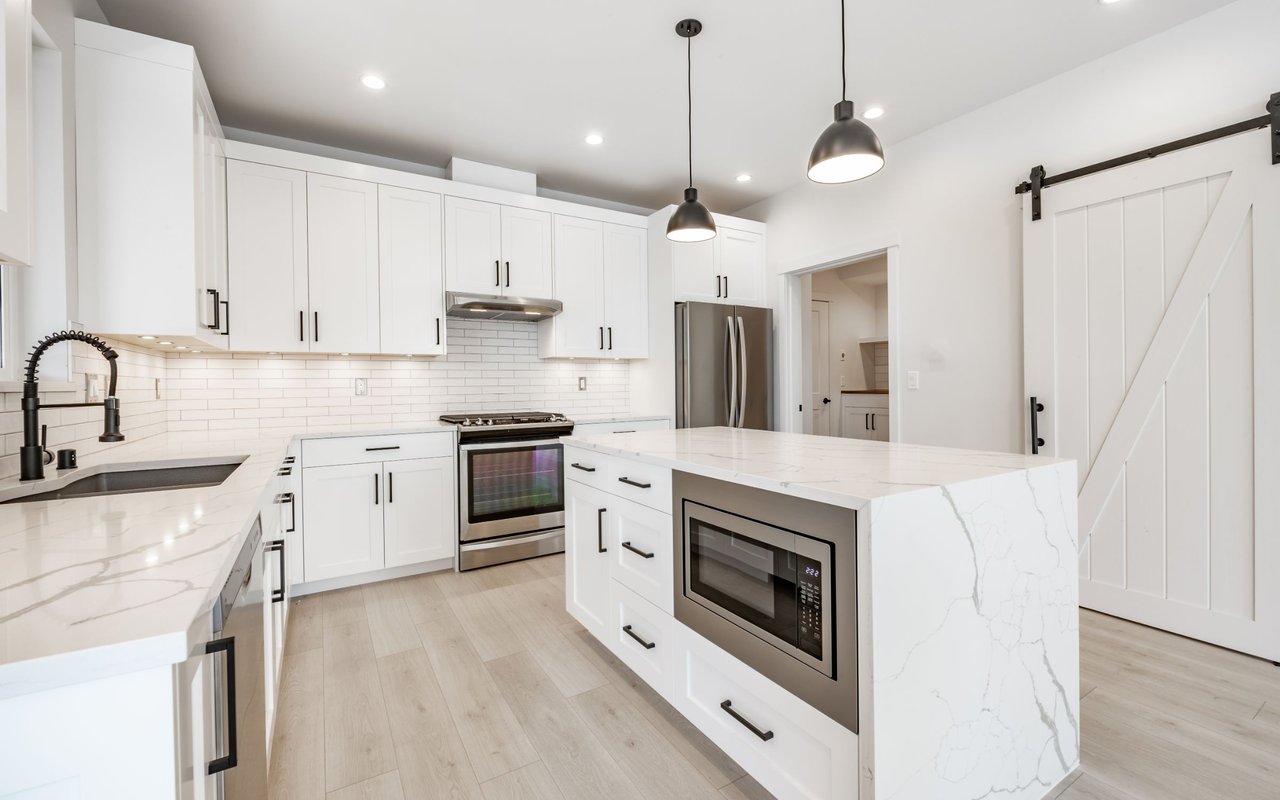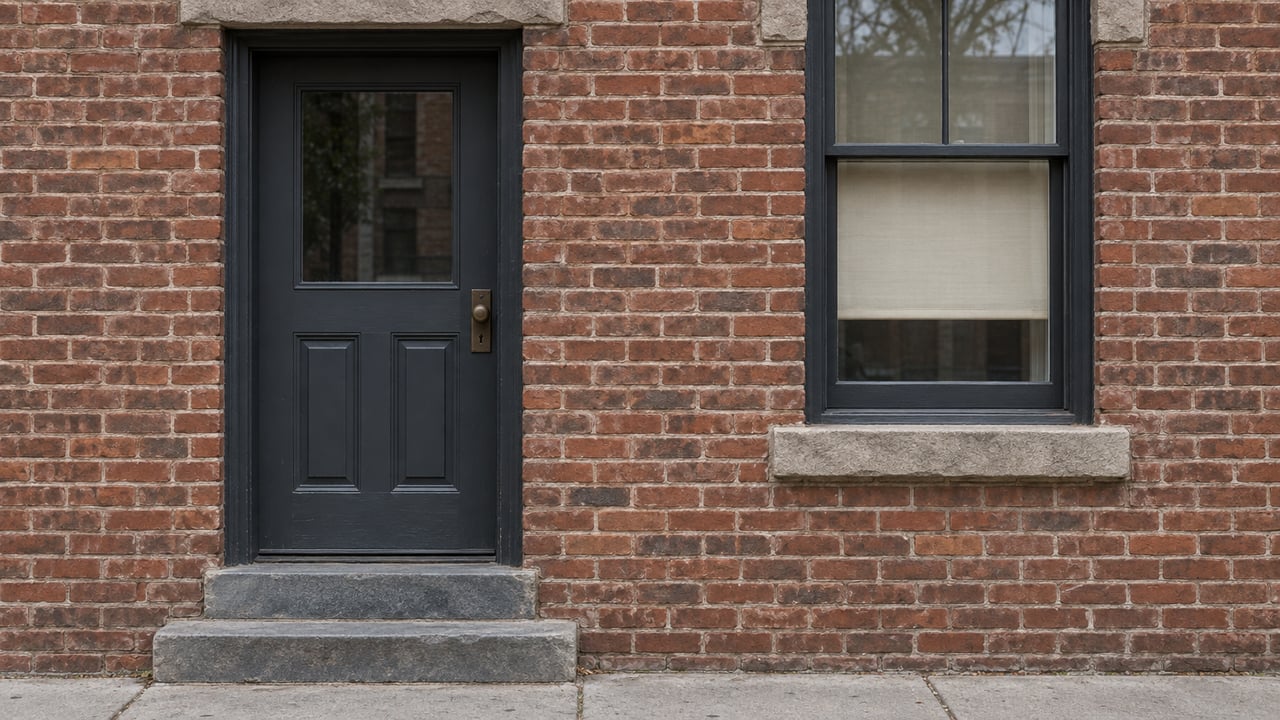
Two doors down from each other on Strong Place, two townhouses tell the same story with different endings. In February 2025, 20 Strong Place closed for $4.05 million. Fourteen months later, its neighbor at 22 Strong Place, the four-story, roughly 6,600-square-foot house, sold for about $11.8 million. Same block. Same building type. Same historic district. Almost three times the price.
The gap is not decoration. It is not staging, or a better kitchen, or a more photogenic listing. It is what happens to a Cobble Hill brownstone between the day someone buys it and the day it goes back on the market, and specifically how fast that renovation clears the Landmarks Preservation Commission. In a neighborhood where an appraiser tracking the first half of 2025 put the average townhouse sale at roughly $5.2 million, the developers pulling in eight figures aren't buying better bones. They're buying time inside a review process most owners never learn to read until they're already stuck in it.
The math developers are already running
Look at what happened at 205 Clinton Street. Developer Brandon Hornbeck bought the five-story house for roughly $3.9 million in 2020. After renovation, it hit the market in October 2025 asking $22 million, was cut to $18.5 million by November, cut again in April 2026, and went under contract in May at an asking price of $17 million. If it closes anywhere near that number, it will be more than four times what Hornbeck paid six years earlier, and it would top Cobble Hill's own record: a $15.5 million sale at 177 Pacific Street set back in 2015 that the neighborhood's current run of eight-figure deals still hasn't broken.
Eckstrom NYC, the development firm run by Carlos Saavedra and Nicole Eckstrom, is another example. Their redeveloped townhouse at 17 Douglass Street went to market asking over $9.8 million. Their project at 170 Clinton Street closed for $14 million. Neither project is a one-off. The Landmarks calendar is a factor buyers can consider before signing a contract.
What actually needs Landmarks approval, and what doesn't
The Cobble Hill Historic District covers 796 contributing buildings built between the 1830s and the 1920s, roughly bounded by Atlantic Avenue, Court Street, Degraw Street and Hicks Street. Inside that boundary, not everything needs approval.
A gut renovation behind a preserved facade can include new mechanical systems, reconfigured interior walls, updated plumbing and electrical. According to the Cobble Hill Association, alterations and repairs to homes in the district, aside from interior changes, typically need pre-approval, and even something as small as updating the stone on the sidewalk requires a permit.
That distinction is the whole arbitrage. A developer who can price a facade restoration correctly and knows which items sail through staff review and which ones need a full hearing can move a project from acquisition to closing on a predictable schedule. A buyer who assumes the entire house is subject to the same friction either overpays for a "renovated" listing they can't fully evaluate, or underprices an unrenovated one because they think every improvement will take months to clear.
The process is more permissive than it feels
Owners often describe Landmarks review as a lengthy process, and the timing is real, but the numbers show where the delay actually sits. A widely cited LPC report found that of the roughly 13,000 applications the commission receives in a typical year, nearly 95 percent are resolved at the staff level without a public hearing, and fewer than three-tenths of one percent are denied outright. The friction isn't rejection. It's the queue.
That's consistent with what the Cobble Hill Association itself tells homeowners: most permits are easily approved, but they often take weeks or months to secure, and even a modest addition from decades ago can trigger a requirement that new work match the "style and design" of the original building. A facade repair using compliant materials is a staff-level approval measured in weeks. A rooftop deck, which Corniel Construction says typically needs both structural engineering to confirm the roof can carry the added weight and LPC sign-off confirming it stays invisible from the street, sits on a different, longer track. Developers price both into their construction loans from day one. Individual buyers usually find out the hard way, mid-renovation, when a change order and a design resubmission show up on the same week.
What this means depending on which side of the deal you're on
For a buyer evaluating an already-renovated Cobble Hill townhouse, the renovation itself isn't the thing to verify. The approval history behind it is. Ask what LPC permits exist on file for the facade, windows, roof and any rear-yard or rooftop work, and whether those approvals cleared at the staff level or required a full hearing. That file tells you whether the seller's renovation was executed on the fast track or the slow one, and it tells you what your own future changes to the same house are likely to cost in time, regardless of what they cost in dollars.
For a seller with a townhouse that's unrenovated or only partially updated, the instinct is often to let a buyer's team sort out what Landmarks will and won't allow. That approach hands the entire timeline conversation, and the value it represents, to whichever buyer's advisors are sharpest. A seller who can hand over a clear inventory of what has already cleared LPC review, what hasn't been touched, and which items are genuinely interior and outside LPC's jurisdiction is giving every serious buyer, developer or not, the information needed to assess the renovation and its timeline. A clear file can help the seller make that value visible before closing, rather than leaving a developer to capture it afterward.
One caution from someone who has lived through it. A homeowner in the Cobble Hill Historic District for more than 15 years, quoted by Brick Underground, put it plainly: it's the ongoing but infrequent responsibilities, like ignoring a persistent but seemingly minor leak, that create the most havoc. Landmarks timing gets the attention, but a house that's been deferred on for years complicates the calendar before a single LPC application is even filed.
FAQ
Does the Landmarks Preservation Commission review interior renovations in Cobble Hill? The Cobble Hill Association says alterations and repairs typically need pre-approval, aside from interior changes; confirm the requirements for the specific scope of work.
How long does a straightforward facade repair typically take to clear? Most applications are resolved at the staff level without a hearing, but the Cobble Hill Association notes that permits often take weeks to months to secure, so building that time into a renovation schedule matters more than assuming instant approval.
Does a rooftop addition automatically get denied? Not automatically. Rooftop decks and additions can be approved, but they generally require structural engineering to confirm the roof can bear the load and LPC confirmation that the addition isn't visible from the street, which typically means a longer review than a facade repair.
If you're weighing an as-is Cobble Hill townhouse against a fully renovated one, or trying to price a renovation before you list, the construction and appraisal team at DE Advisory Team can walk through the Landmarks file with you before you write the offer or set the ask. Request a Home Valuation to start that conversation.
This article is general information, not legal, tax or financial advice. Consult a qualified professional about your situation.